Common Roof Types in Harrogate and Their Typical Weak Points
The Most Common Roof Types in Harrogate
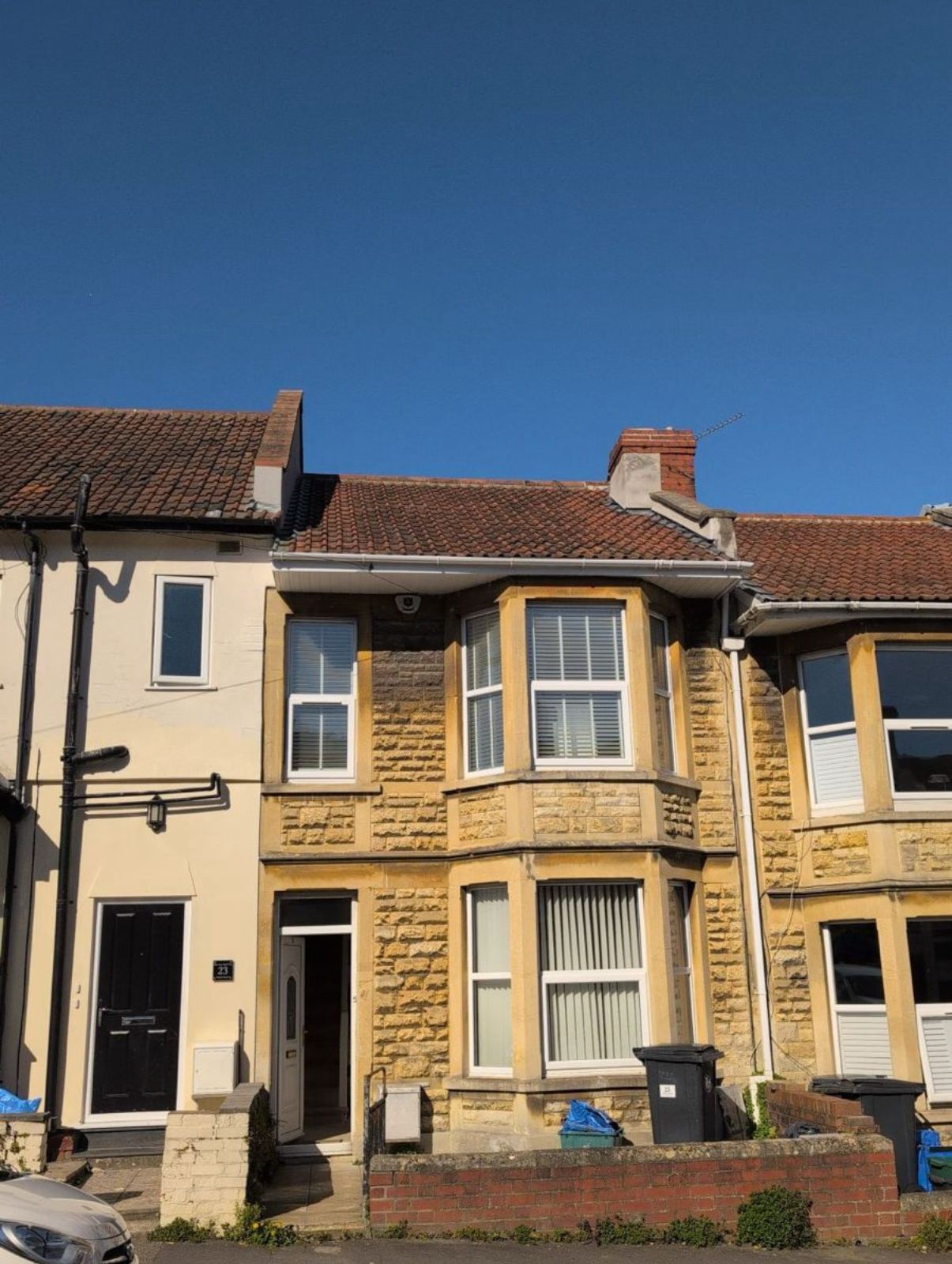
Harrogate features a wide variety of property styles, including traditional terraced houses, semi-detached homes, and newer developments. Because of this mix, there are several different roofing materials commonly found across the area. The local climate, which often includes frequent rain, strong winds, and cold winter temperatures, can gradually affect the condition of roofs over time.
Each roofing type has its own expected lifespan and maintenance requirements. Understanding the potential weak spots of your roof can help you identify early warning signs and avoid more expensive repairs in the future. Regular inspections can help detect small issues before they develop into more serious structural problems.
Slate Roofs – Long Lasting but Not Maintenance-Free
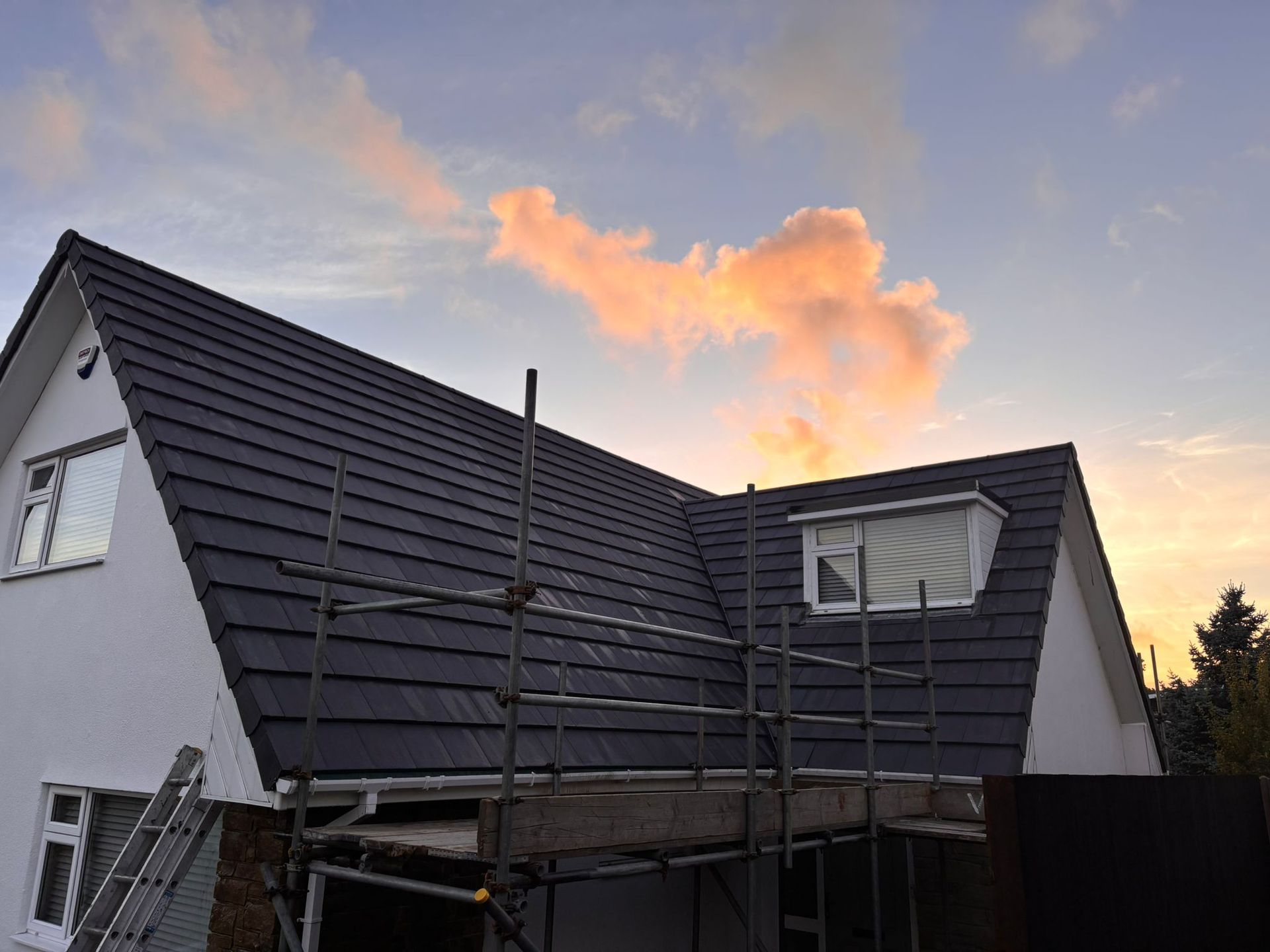
Slate roofing is often seen on older and character properties throughout Harrogate. It is well known for its durability and ability to withstand harsh weather conditions, which makes it a popular long-term choice.
However, slate tiles can sometimes shift or become loose as fixings age or when exposed to strong winds. Over time, the nails used to secure the tiles may weaken, increasing the risk of slippage. In addition, the protective underlay beneath the tiles can deteriorate as it gets older, which may reduce the roof’s overall effectiveness if not maintained.
Clay Tile Roofs – Traditional and Reliable
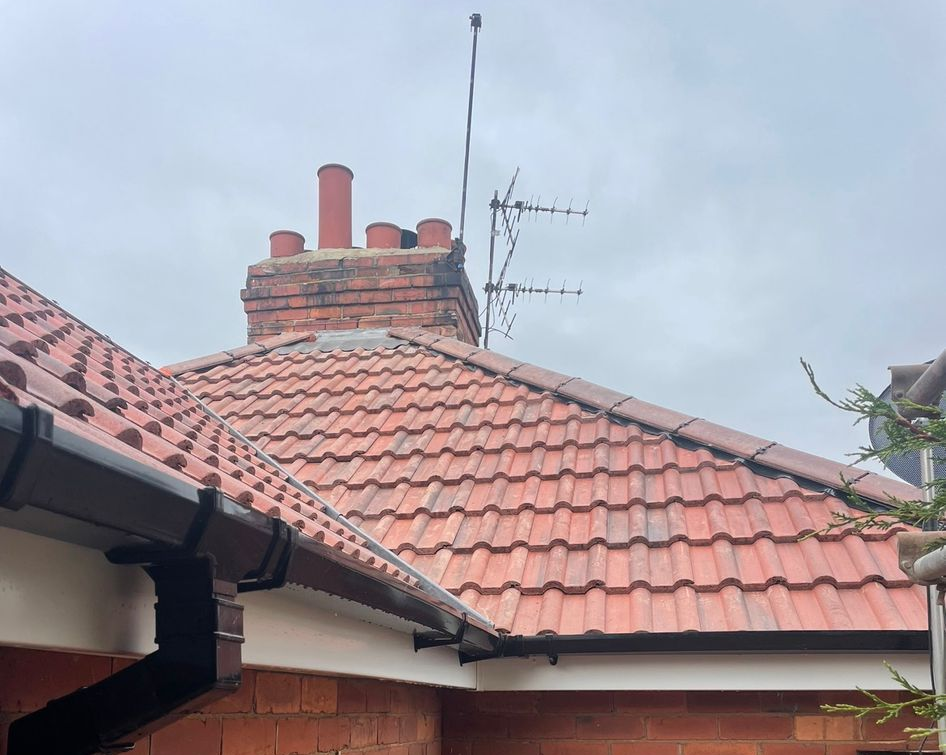
Clay tile roofs are another common feature in Harrogate, particularly on residential properties. They are valued for their strength and classic appearance, as well as their ability to cope with varying weather conditions.
Despite their durability, clay tiles can occasionally crack, particularly during freezing temperatures when moisture expands. Damp conditions can also encourage moss growth, which may affect both the appearance and performance of the roof. Ridge tiles should also be checked periodically, as the mortar securing them can wear away over time.
Concrete Tile Roofs – Practical and Widely Used
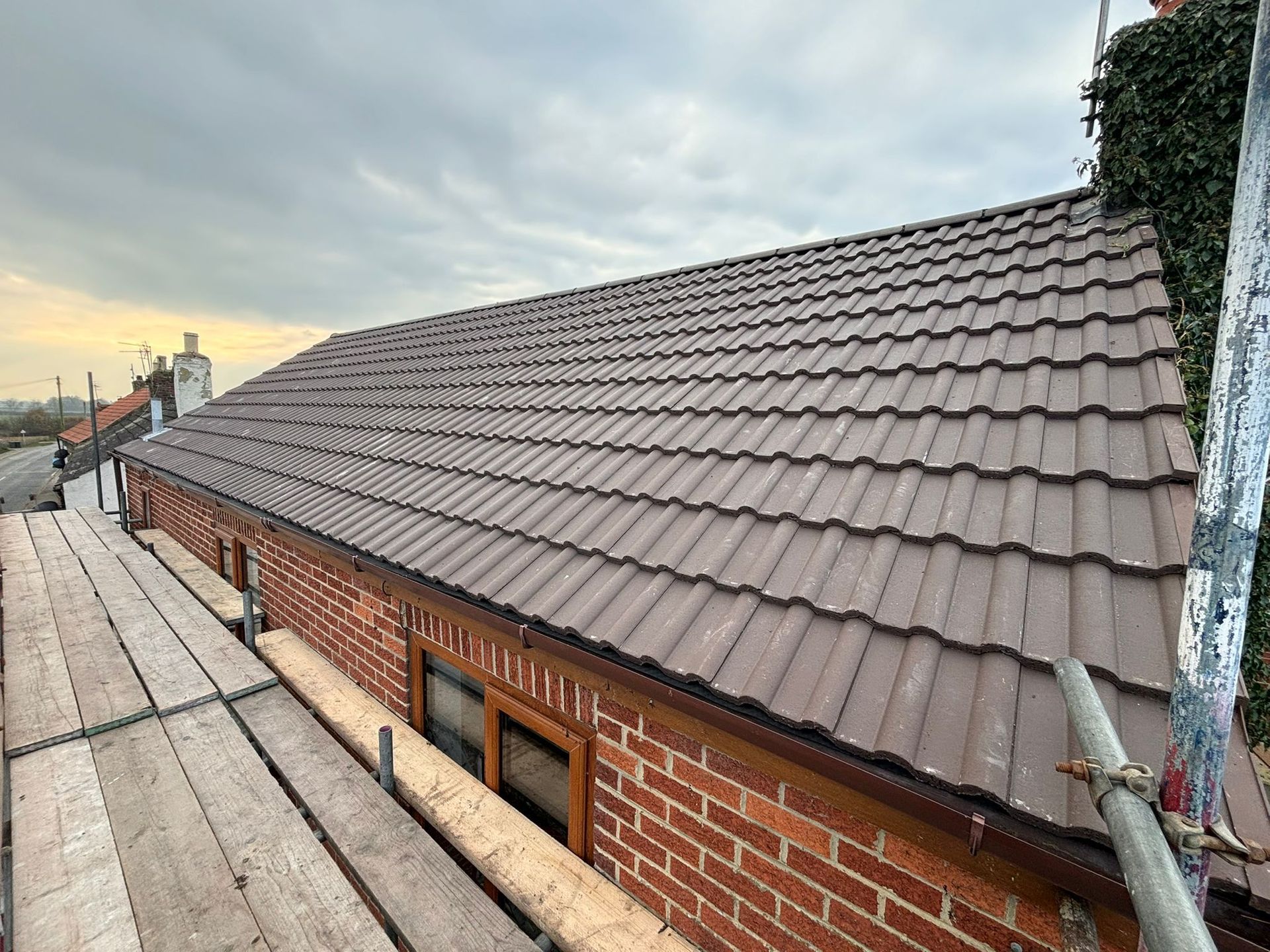
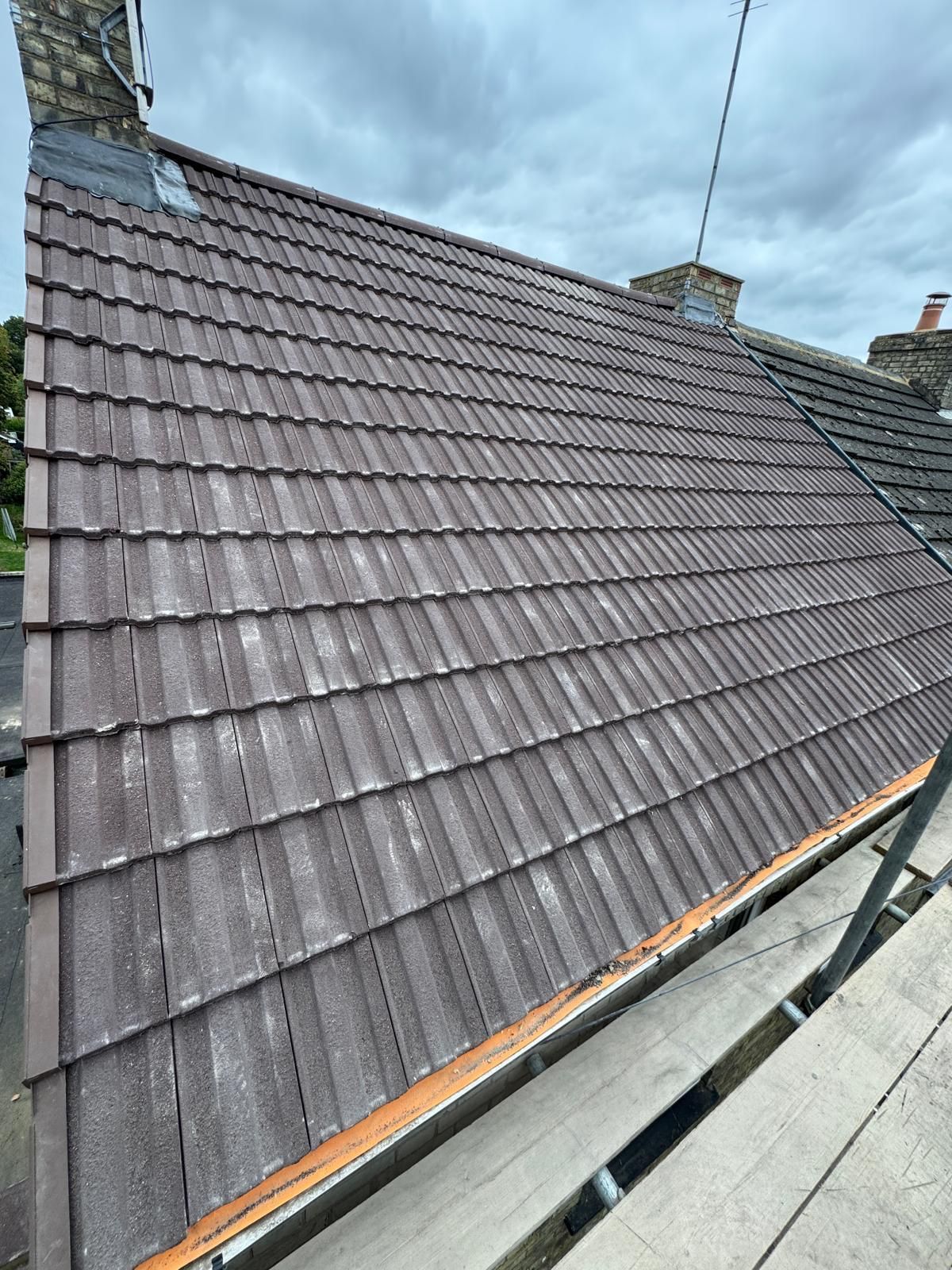
Concrete roof tiles are frequently used on newer homes due to their affordability and durability. They are designed to provide reliable protection against the elements and are available in a range of styles.
One potential drawback is that concrete tiles can gradually lose their colour due to exposure to sunlight and weather. As they age, they may also become slightly porous, which can increase the likelihood of moisture retention if maintenance is neglected.
Flat Roofs – Often Used for Extensions and Garages
Flat roofs are commonly installed on home extensions, garages, and some modern buildings. Materials such as felt, fibreglass, or rubber membranes are typically used to create a waterproof surface.
Proper drainage is especially important for flat roofs, as standing water can lead to leaks over time. The overall lifespan of a flat roof will often depend on the quality of materials used and the standard of installation. Regular inspections can help ensure any small issues are resolved quickly.
Roof Junctions and Flashing – Areas That Require Attention
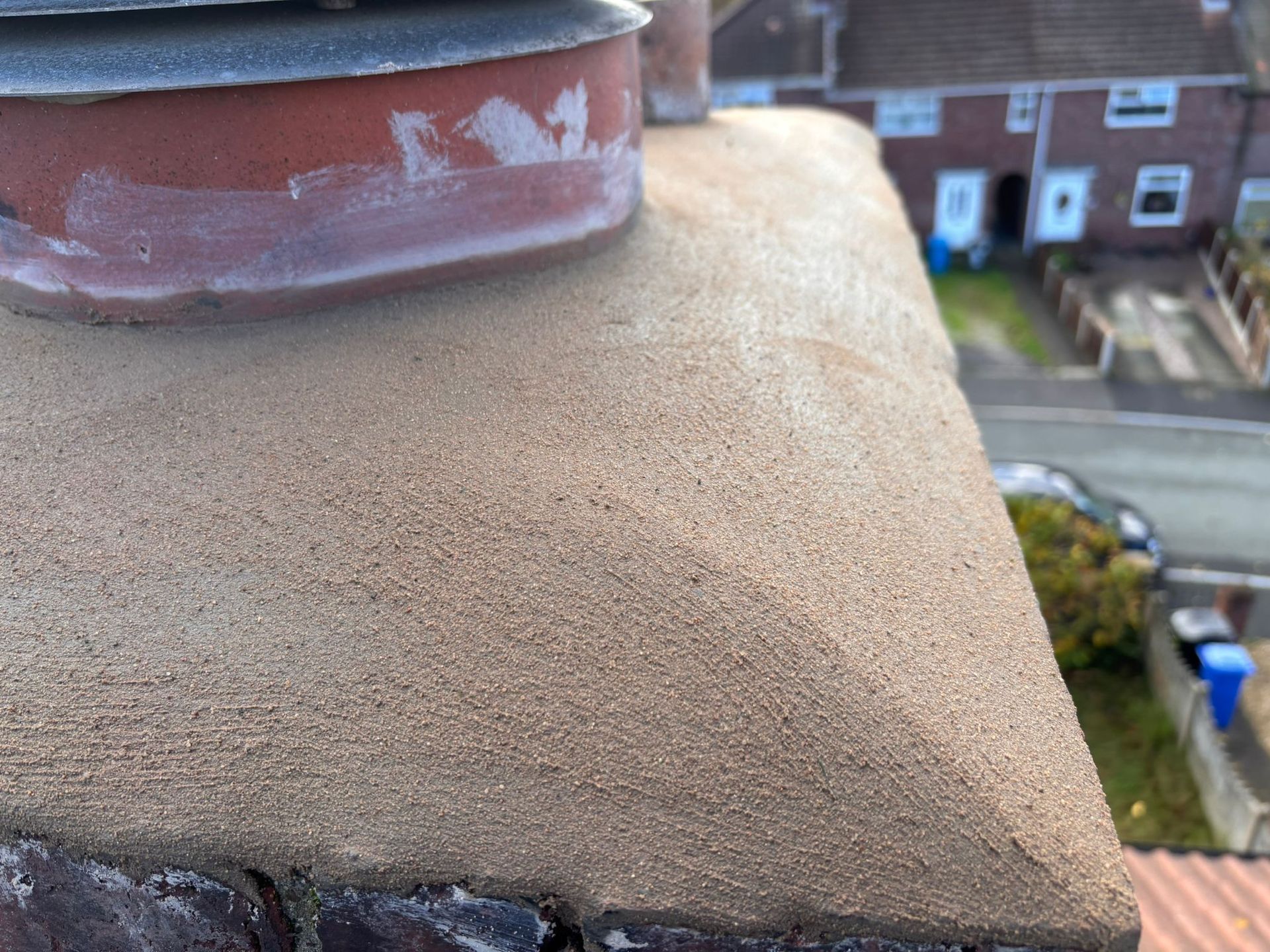
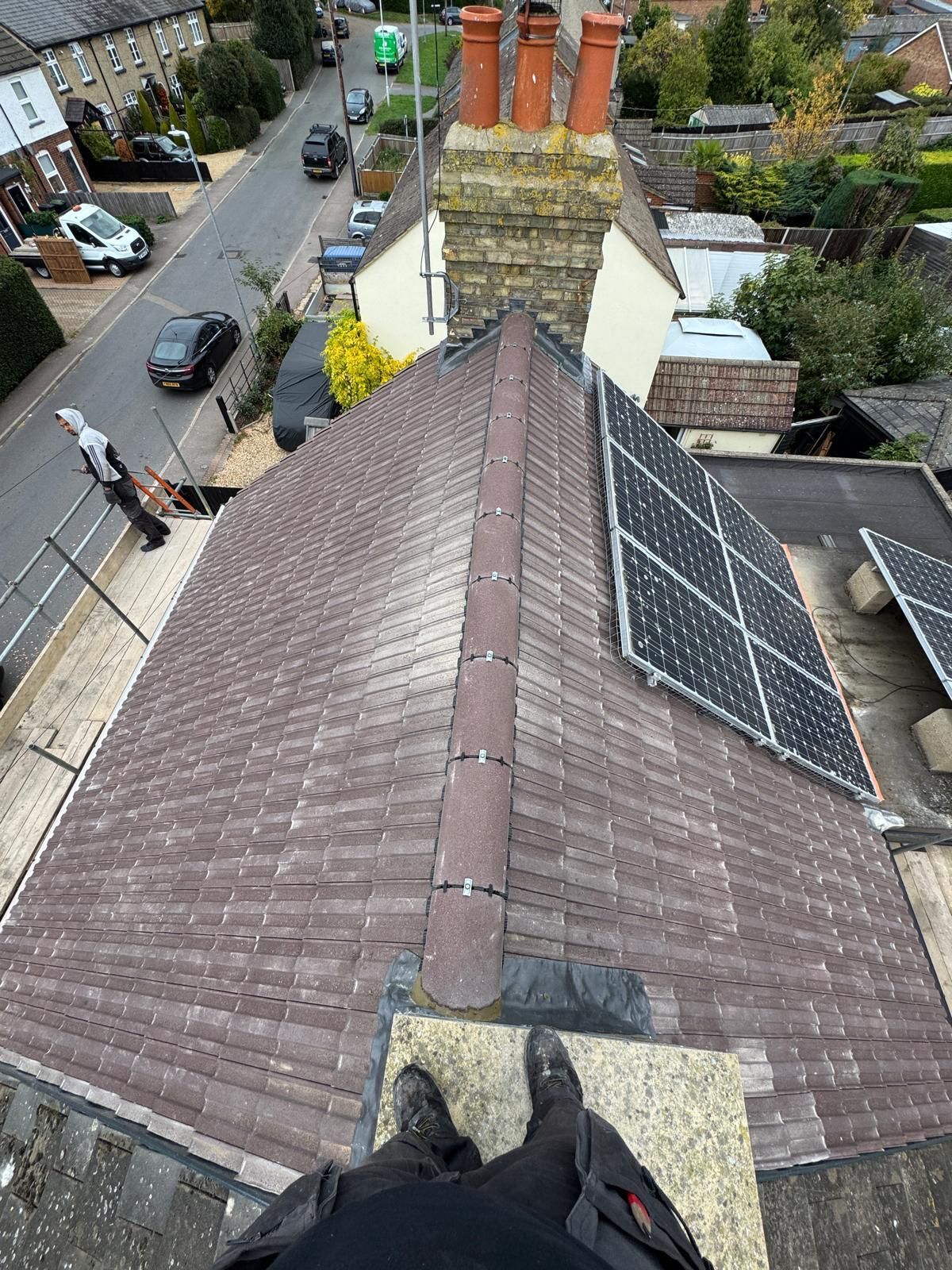
Certain parts of a roof are more vulnerable than others, particularly where different sections meet. Flashing is used to seal areas around chimneys, vents, and joints to prevent water from entering the structure.
Lead flashing can loosen gradually due to weather exposure, and if the seal becomes compromised, water may find its way inside. Because these junction points are more exposed, they are often one of the first places where leaks can develop if maintenance is overlooked.
How Harrogate Weather Can Affect Roof Performance
Harrogate’s climate includes regular rainfall and colder winter temperatures, both of which can influence the lifespan of roofing materials. Damp conditions may encourage moss and algae growth, which can retain moisture on the roof surface.
Strong winds can sometimes dislodge tiles, particularly if they have already weakened over time. During colder periods, existing cracks can worsen as temperatures fluctuate. Carrying out regular maintenance can help reduce the effects of weather-related wear and tear.
Signs That Your Roof May Need Attention
There are several early signs that may indicate roofing problems. Loose or missing tiles should be addressed promptly to prevent water entering the property. Damp patches or stains on ceilings can suggest a leak that requires investigation.
Moss build-up can also affect drainage and should be removed where necessary. Clearing debris from gutters helps ensure rainwater can flow away from the roof properly, reducing the risk of further damage.
Conclusion
Homes in Harrogate feature a range of roofing styles, each with its own benefits and maintenance considerations. Understanding the common weak areas of your roof can help you take preventative action and reduce the likelihood of costly repairs.
Regular inspections and timely maintenance can significantly extend the lifespan of your roof. If any problems are identified, professional roofing specialists can provide advice and carry out repairs to keep your property protected throughout the year.
Ready to work with Harrogate Roofers & Contractors?
Let's connect! We’re here to help.
Send us a message and we’ll be in touch.
Or give us a call today at 01423 423497
Agency Contact Form
More Marketing Tips, Tricks & Tools
Harrogate Roofers & Contractors