How Harrogate's Cold Wet Winters Shorten the Life of Local Roofs
Harrogate sees around 780mm of rain a year, but the numbers alone don't tell the full story. The town sits at over 100 metres above sea level on the edge of the Yorkshire Dales, where temperatures drop faster and stay lower for longer than in most of northern England. Harrogate typically records 50 to 60 days of ground frost each winter, more than twice the national average of around 20, and that freeze-thaw cycle does more damage to roofing materials than any single storm. Local contractors report winter callouts running 40–50% higher than summer months, with the worst spells in January and February when overnight freezes follow days of sustained rain. Here's what that actually does to a roof, and what to do about it.
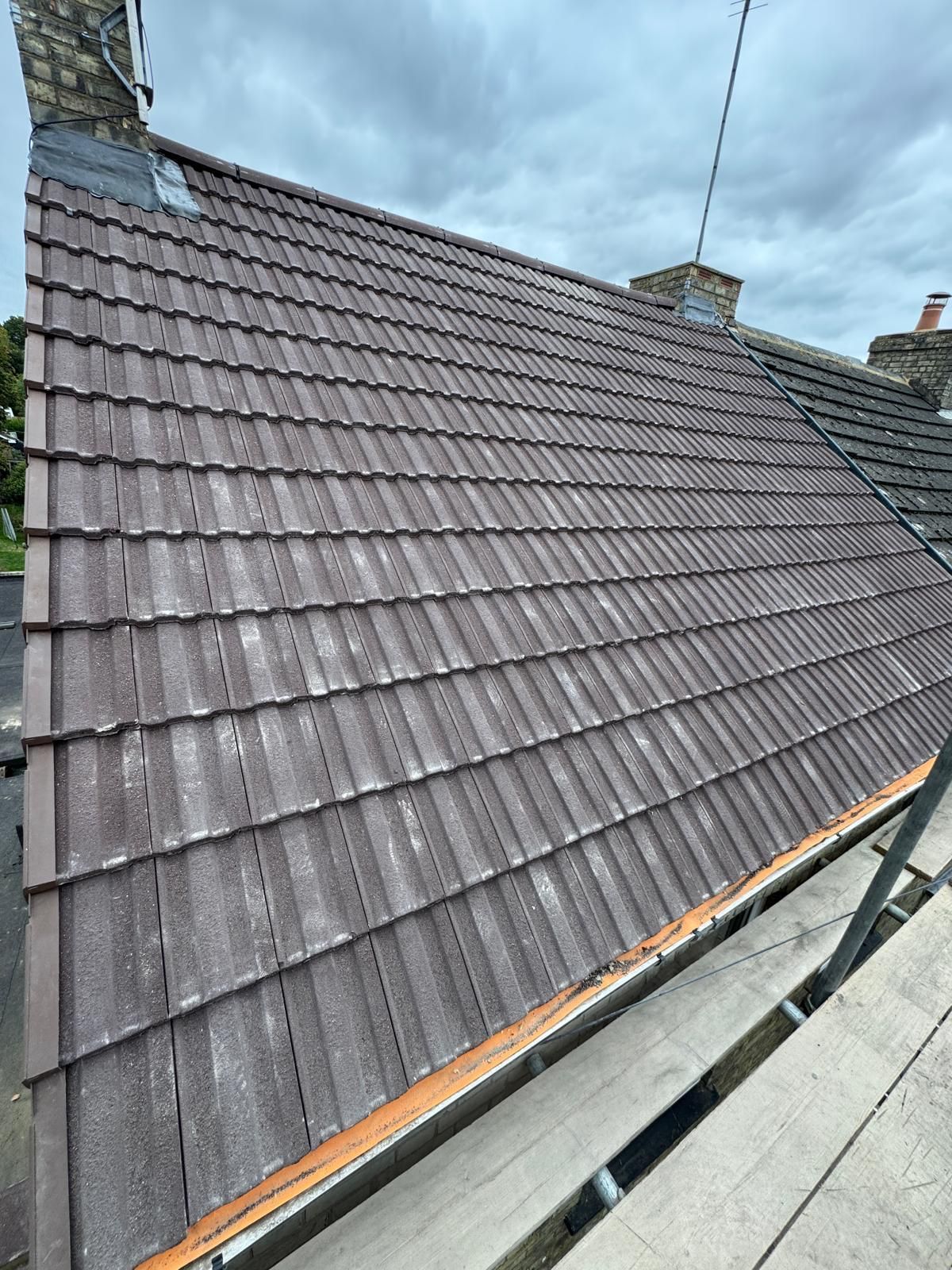
Most of the UK gets winter rain. Harrogate gets cold winter rain, which is a different problem. When water saturates tiles, flashing, and mortar pointing and then freezes overnight, it expands by roughly 9% in volume. That expansion forces apart hairline cracks in tile surfaces, widens gaps around lead flashing, and gradually breaks down the lime mortar on ridge and hip sections. In milder parts of the country, the South West for instance, a roof might go through five or six freeze-thaw cycles in a typical winter. In Harrogate, that number can be 40 or more.
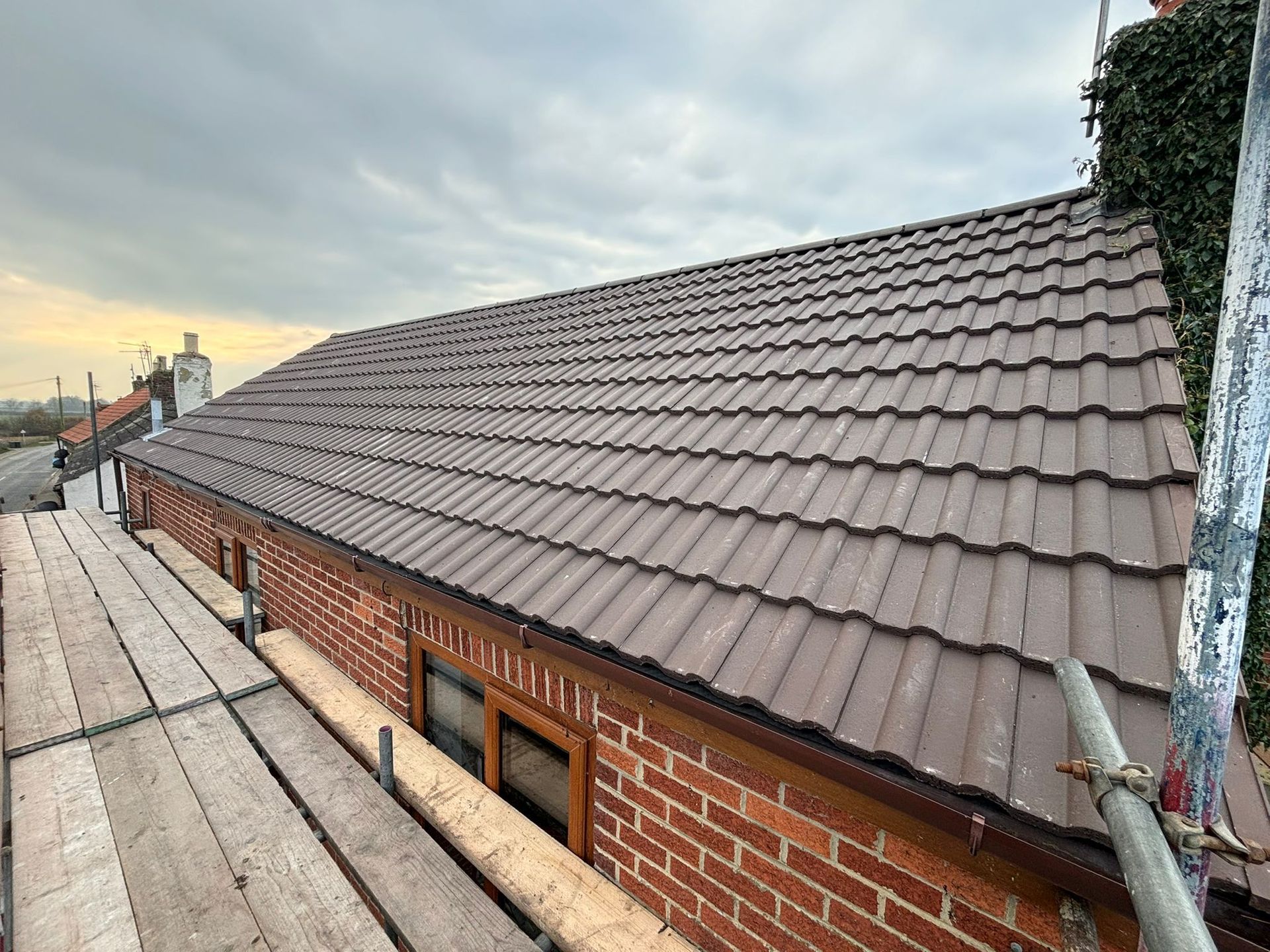
Roofing surveys across Yorkshire suggest tiles in the region degrade up to 30% faster than equivalent materials in drier, milder climates further south. A roof that might last 40 years in Surrey could be showing significant wear within 25 to 30 years in North Yorkshire, particularly without regular maintenance.
The town centre sits at around 110 metres above sea level, and many residential areas on the surrounding hills sit higher still. Properties on the western and northern edges of Harrogate, closer to the Dales, are exposed to prevailing westerly and north-westerly winds with little natural shelter. Wind speeds on those elevated streets can run 20–25% higher than in sheltered valley properties. That added wind loading accelerates tile movement and wears out mortar on exposed ridge lines faster than most homeowners account for.
Harrogate's Older Housing Stock Has Less Margin for Error
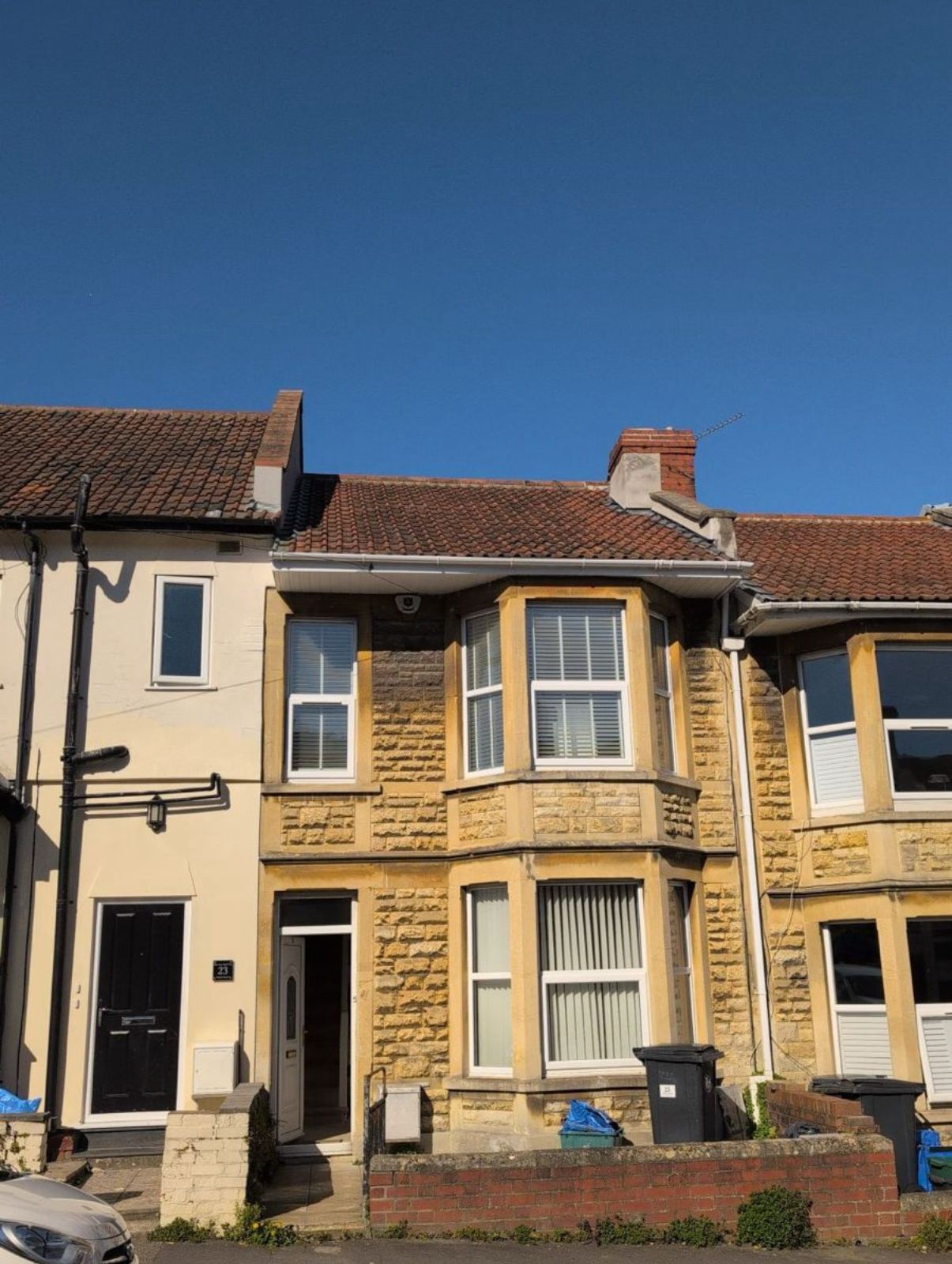
Harrogate grew rapidly as a Victorian spa town. A large proportion of its housing stock dates from the 1860s through to the 1930s: stone-fronted terraces, bay-windowed semis, larger detached villas. These properties have been weathering North Yorkshire winters for 80 to 130 years.
Original Yorkshire stone tiles and handmade clay plain tiles absorb more water than modern concrete alternatives. They're more vulnerable to freeze-thaw damage because of it. Lead flashing on these properties can be over a century old, often patched rather than replaced. Lime mortar pointing is softer than modern cement-based mortars and weathers faster. If you own a Victorian or Edwardian property in Harrogate and haven't had a roof inspection in the last couple of years, there are almost certainly small issues developing that this winter will push further along.
Finding a Roofer in Harrogate Before You Actually Need One
North Yorkshire is short of qualified roofing tradespeople. Industry estimates put the region around 15–20% below what's needed to cover peak seasonal demand. Harrogate feels that particularly hard — it's a prosperous town with a high concentration of period properties that need specialist knowledge, not just a general roofer.
By the time a leak appears in January, you're looking at a 10–14 day wait for a non-emergency slot. Contractors who aren't booked up at that point are often not booked up for a reason. Getting a pre-winter inspection done in September or early October means better access, better weather for the work, and decisions made without a dripping ceiling overhead.
What to Check Before Autumn Sets In
You don't need to get on the roof. From the ground, look for tiles or slates that appear cracked, slipped, or missing. One displaced tile during a storm is enough to let in serious water. Check gutters and downpipes for blockages — backed-up water accounts for an estimated 20–25% of winter callouts in the area. From inside the loft after heavy rain, look for damp patches on the felt, staining on the rafters, or water tracking down the roof structure.
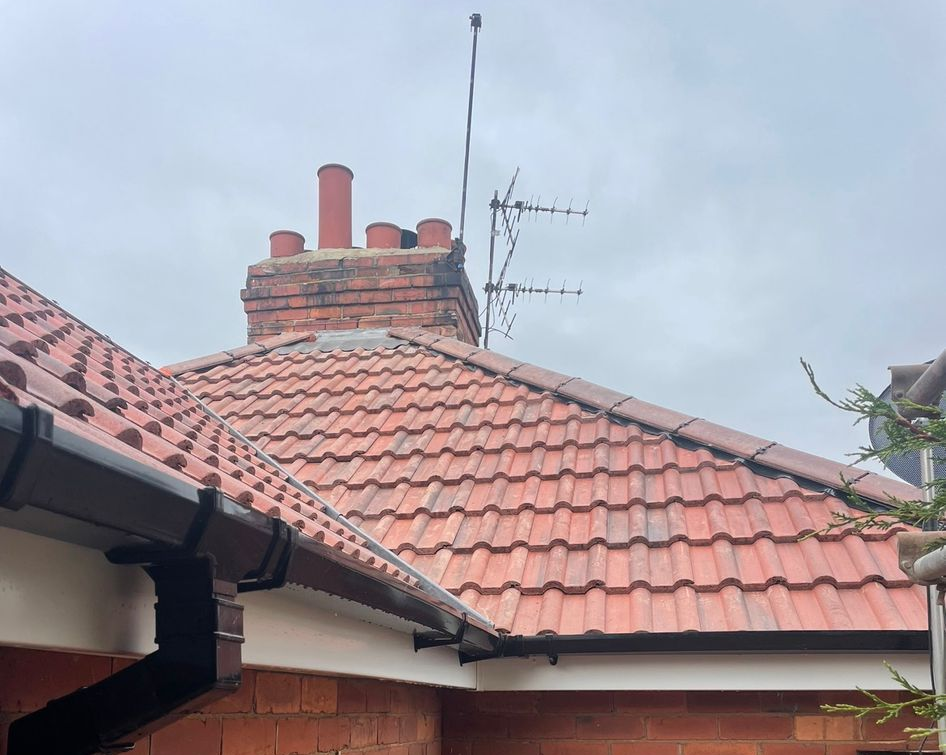
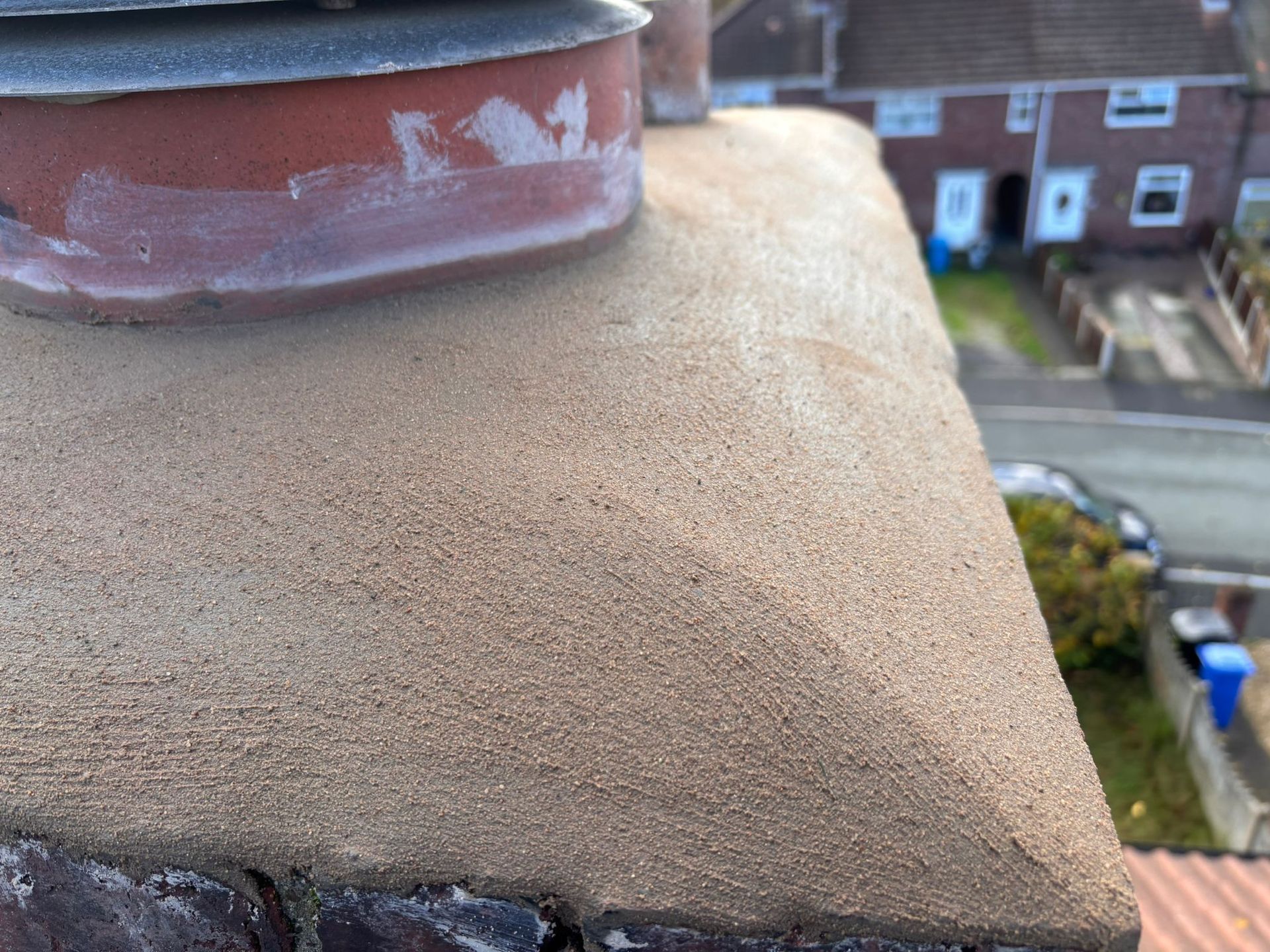
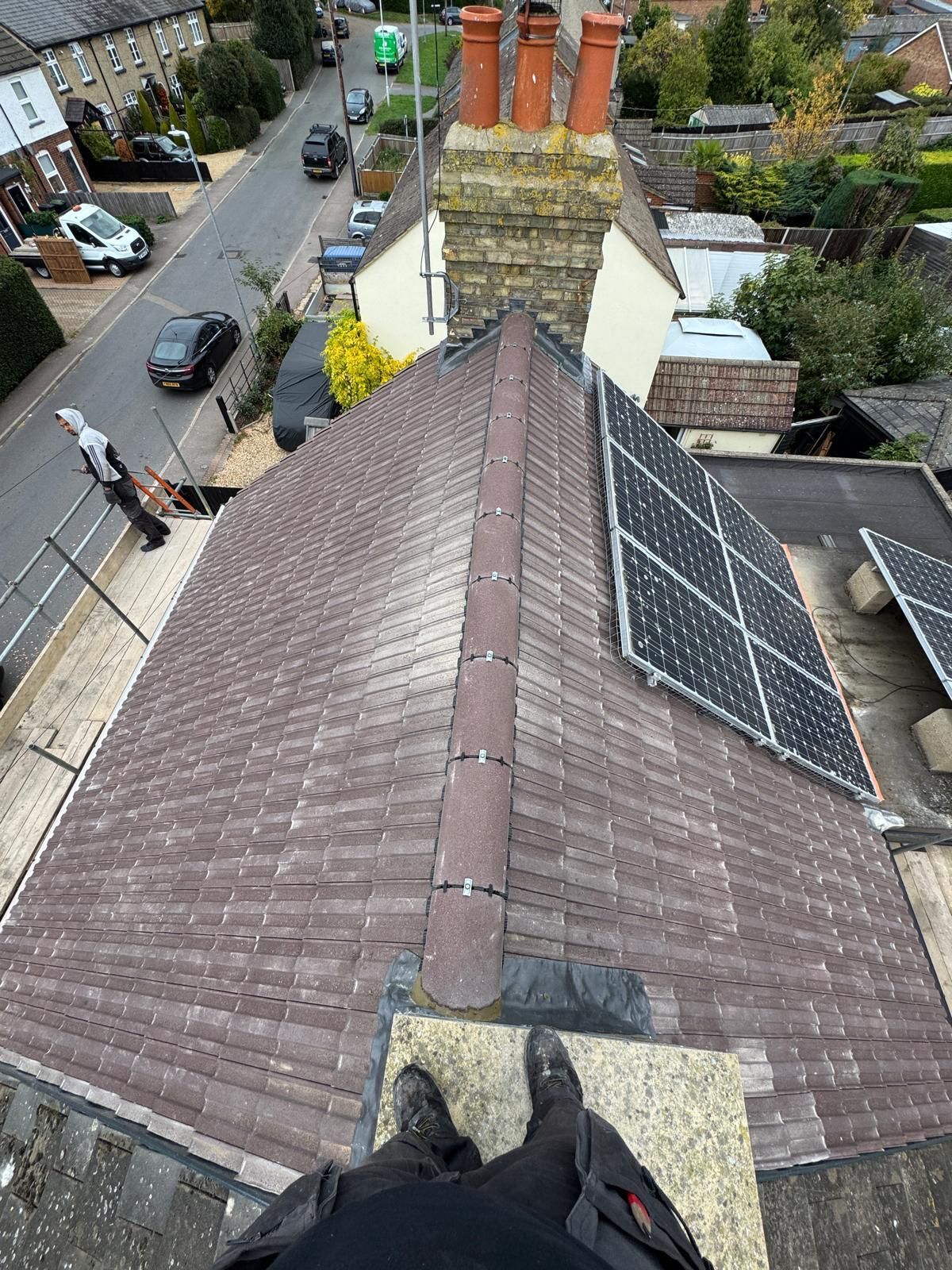
Chimney stacks are worth extra attention. Harrogate has a high density of period properties with multiple chimneys, and deteriorating flashing and pointing around the base is one of the most common entry points for winter water ingress in the town.
A professional inspection takes 30 to 45 minutes and costs a fraction of a reactive mid-winter repair. Roofs that go into Harrogate's winter with unresolved issues are three times more likely to need a full section replacement by spring.
Planning Rules Worth Knowing in Harrogate
Harrogate has significant conservation area coverage around the town centre, the Duchy Estate, and the streets surrounding Valley Gardens. Properties in these areas may be restricted to natural Yorkshire stone or clay tiles if work goes beyond like-for-like replacement. Listed building consent may be required for work on the town's many Victorian listed properties.
Check with North Yorkshire Council before accepting any quote involving a material change or structural alteration. Most straight repairs won't need it. But in a town with this much protected housing stock, five minutes of checking is cheaper than finding out mid-job.
FAQ
Q: Why is Harrogate particularly hard on roofs? A: Harrogate records 50 to 60 days of ground frost each winter — more than twice the UK average. When moisture in tiles, flashing, and mortar repeatedly freezes and thaws, it forces apart small cracks and weakens joints over time. That cycle happens far more often in North Yorkshire than in milder parts of the country.
Q: How often should I get my roof inspected in Harrogate? A: At least once a year, ideally in early autumn before the cold weather sets in. Given Harrogate's frost frequency and the age of much of its housing stock, twice yearly (autumn and spring) is better practice for period properties.
Q: Do older Victorian properties in Harrogate need more roof maintenance? A: Yes. Original stone tiles, clay plain tiles, lead flashing, and lime mortar pointing are all more porous and more vulnerable to freeze-thaw damage than modern materials. Properties built between the 1860s and 1930s — which make up a large proportion of Harrogate's housing stock — typically need more frequent inspection and maintenance than newer builds.
Q: Do I need planning permission for roof repairs in Harrogate? A: Most like-for-like repairs don't require permission, but Harrogate has extensive conservation area coverage and many listed buildings. Any change to roofing materials or roofline alterations should be checked with North Yorkshire Council before work begins.
Ready to work with Harrogate Roofers & Contractors?
Let's connect! We’re here to help.
Send us a message and we’ll be in touch.
Or give us a call today at 01423 423497
Agency Contact Form
More Marketing Tips, Tricks & Tools
Harrogate Roofers & Contractors