Flat Roof Repairs in Harrogate: Common Problems and What They Cost to Fix
Flat roofs get a bad reputation, often unfairly. A well-installed, well-maintained flat roof on a garage, extension, or dormer can last decades without major issues. But when problems do show up, they tend to follow a fairly predictable pattern, and catching them early is the difference between a £150 repair and a full re-cover costing several thousand pounds.
Ponding Water Is the Most Common Issue
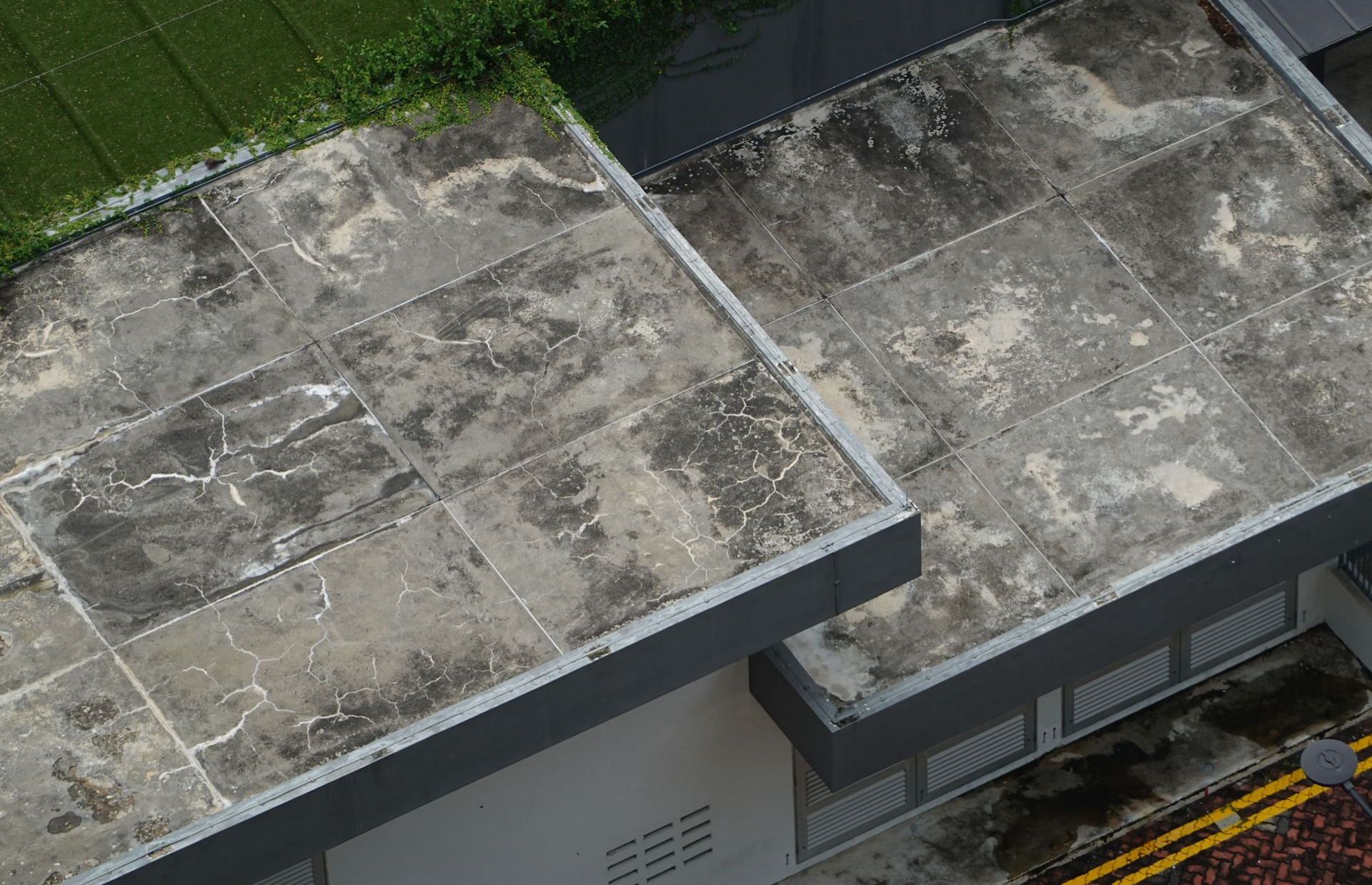
If you've noticed standing water on a flat roof that doesn't drain away within a day or two of rain, Harrogate Roofers & Contractors can take a look at whether it's a one-off drainage blockage or a sign of a more fundamental falls (slope) issue.
Flat roofs aren't actually flat, they're built with a slight fall, typically a minimum of 1:40, to direct water toward outlets or gutters. Ponding water, water that sits on the roof surface for more than 48 hours after rain, usually means either the falls weren't built correctly in the first place, or the roof structure has sagged slightly over time, creating a low spot where water collects. Ponding accelerates wear on the roof covering, particularly with felt roofs, because the membrane is under constant exposure to standing water rather than just rainfall passing over it.
Blocked Outlets and Gutters
The simplest and cheapest cause of ponding is a blocked outlet or gutter, often from leaves, moss, or debris, which is also one of the easiest to prevent with regular clearing, ideally a couple of times a year, more often if there are overhanging trees. A blocked outlet that's left for a long period can cause water to back up and find its way under the edges of the roof covering, turning a simple blockage into a leak.
Membrane Splits and Blistering
Felt and EPDM (rubber) roofing can develop splits, often at seams or where the membrane has been stressed by movement in the roof structure underneath, and blistering, where air or moisture gets trapped beneath the surface layer and forms a bubble that can eventually crack. Both are usually repairable if caught early, a split can often be patched, and a blister can sometimes be cut, dried out, and resealed, but if left, both tend to let water in underneath the membrane, where it can spread well beyond the visible damage before it's noticed from inside.
What Repairs Typically Cost
Minor repairs, patching a small split, resealing a blister, or clearing and adjusting an outlet, typically cost £150-£400 depending on access (a flat roof over a single-storey extension is usually more accessible than one on a two-storey dormer). More involved repairs, addressing a section with multiple issues or where water has got under the membrane over a wider area, can run £500-£1,200. We've covered roof insulation and energy efficiency in Harrogate homes , and flat roofs (often over extensions or garages) are frequently where insulation gets overlooked, despite being one of the easier roof types to add insulation to during a re-cover.
When a Re-Cover Makes More Sense
Felt roofs typically last 15-20 years, EPDM rubber roofing 25-30 years, and GRP fibreglass around 20-30 years, though all of these depend heavily on installation quality and any repairs or modifications made over the roof's life. If a flat roof is approaching the end of its expected lifespan and is showing multiple issues, recurring leaks in different spots, widespread blistering, or visible sagging suggesting structural movement, patching individual problems becomes a cycle of diminishing returns. A full re-cover, replacing the membrane (and sometimes the boards underneath if they've been affected by water), typically costs £80-£120 per square metre depending on the material chosen, but resets the clock on the roof's lifespan rather than extending a roof that's already past its useful life through repairs.
Spotting Problems Early
The most useful habit for any flat roof is a visual check from inside (looking for damp patches on ceilings below) a few times a year, plus a look at the roof itself after any major storm. Catching a small split or a developing blister early, before it's let water through to the structure underneath, is consistently the difference between a quick, affordable repair and a much larger job once water's reached the timber decking or insulation beneath the membrane.
FAQ
Q: Why does water sit on my flat roof after rain? A: This is called ponding, and it usually means the roof's falls (slope) weren't built correctly or the structure has sagged over time, creating a low spot. It accelerates wear on the roof covering, particularly felt.
Q: How much does a flat roof repair typically cost in Harrogate? A: Minor repairs like patching a split or clearing a blocked outlet typically cost £150-£400. More involved repairs covering a wider area can run £500-£1,200.
Q: How long does a flat roof last? A: Felt roofs typically last 15-20 years, EPDM rubber around 25-30 years, and GRP fibreglass around 20-30 years, depending heavily on installation quality and maintenance.
Q: When should a flat roof be re-covered instead of repaired? A: When it's approaching the end of its expected lifespan and showing multiple issues, like recurring leaks in different spots or widespread blistering, a full re-cover is usually more cost-effective than ongoing patch repairs.
Ready to work with Harrogate Roofers & Contractors?
Let's connect! We’re here to help.
Send us a message and we’ll be in touch.
Or give us a call today at 01423 423497
Agency Contact Form
More Marketing Tips, Tricks & Tools
Harrogate Roofers & Contractors