Moss on Harrogate Roofs: Removal Costs, Methods, and Prevention
If your Harrogate roof has a green north slope, you're in good company - moss thrives on roughly 8 out of 10 roofs in the wetter, cooler parts of the UK, and Harrogate qualifies on both counts. The town gets around 800 - 900mm of rain a year, sits 100 - 150 metres up on the edge of the Dales, and runs 1 - 2°C cooler than the UK average, which means roof surfaces stay damp for longer and moss never really gets a dry season. Professional moss removal in Harrogate typically costs £400 - £1,200 for a standard semi, and done properly it's worth every penny - a mature moss blanket can hold 5 - 10kg of water per square metre and quietly wreck tiles, gutters, and mortar. Done badly, though, moss removal destroys roofs faster than the moss ever would. This guide covers the methods, the prices, and the mistakes.
Why Moss Removal Is Worth Paying For
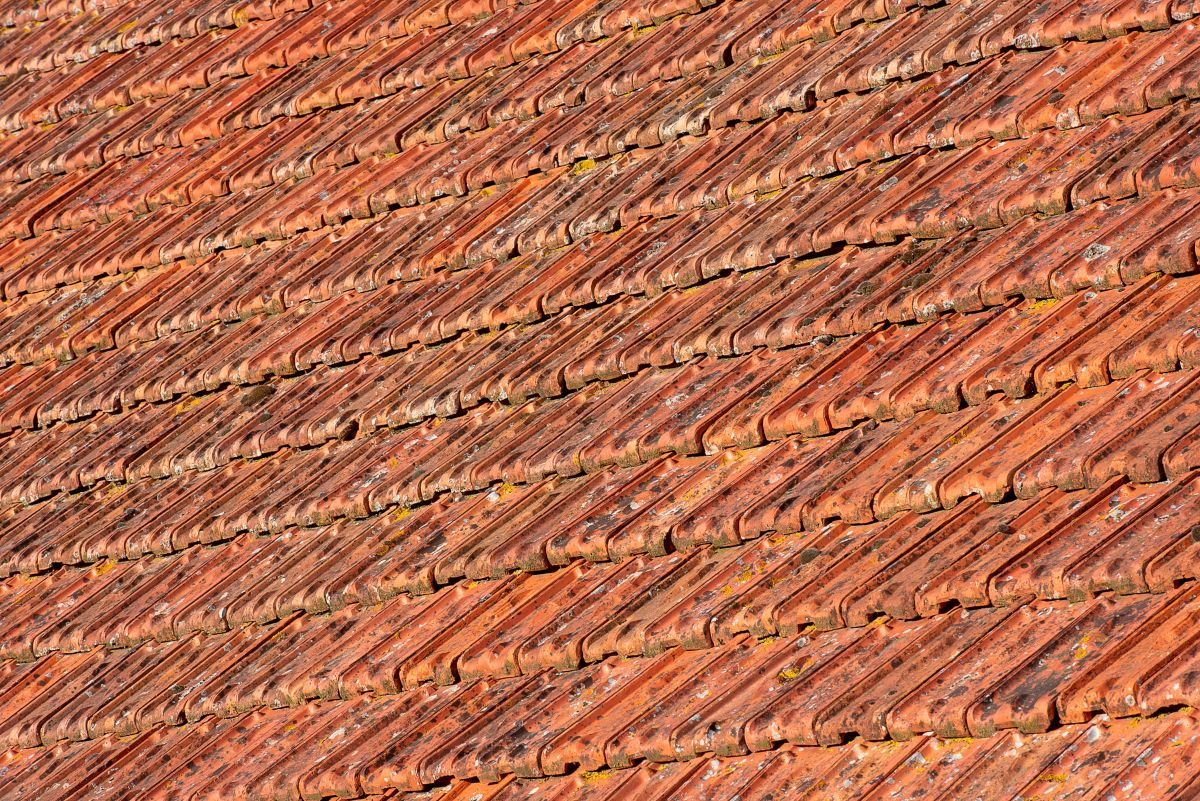
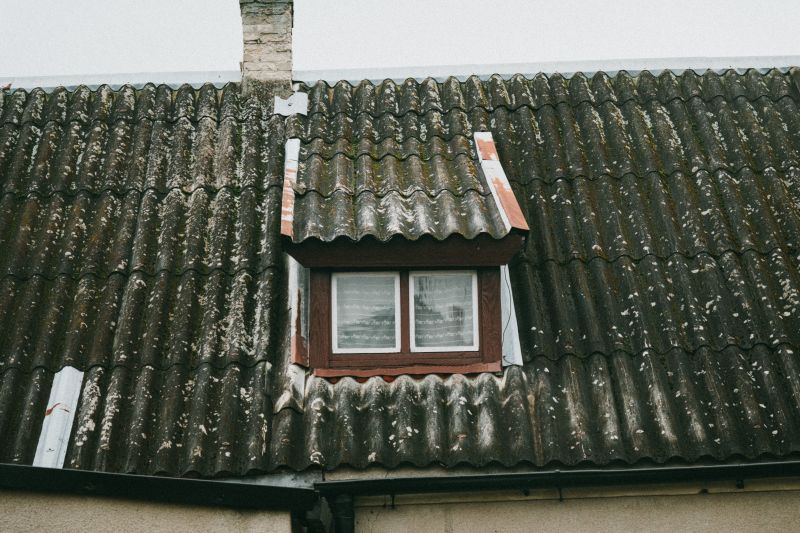
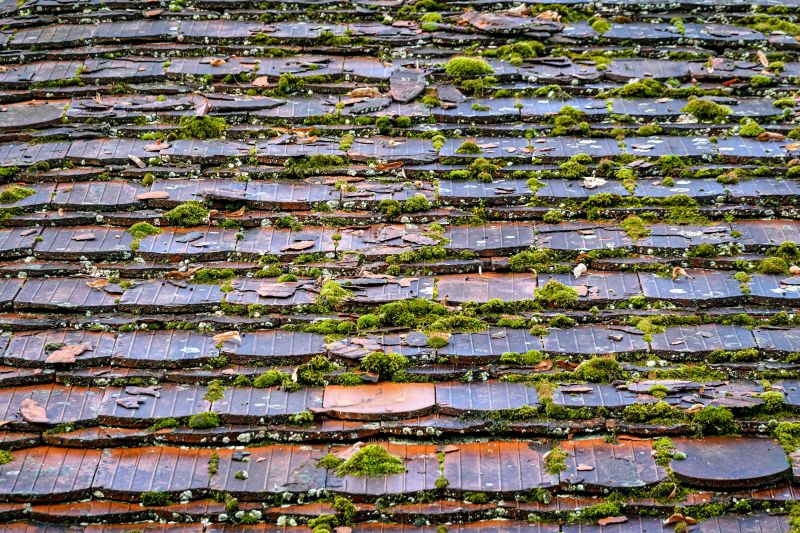
Moss isn't just cosmetic, whatever the sunnier corners of the internet say. Each clump acts like a sponge, holding water against the tile surface around the clock. In a Harrogate winter with 50+ freeze-thaw cycles, that trapped water freezes and expands by about 9% each time, and porous concrete tiles and ageing clay tiles spall and crack under the repeated stress. Moss pads also lift tiles at the overlaps, letting wind-driven rain past the tile line and onto underfelt that, on the town's older stock, may already be brittle.

Then there's the downstream cost. Dislodged moss washes into gutters and downpipes - blocked gutters are behind an estimated 3 in 4 damp problems in UK homes, and clearing a moss-choked gutter run costs £80 - £150 a visit. If you're seeing moss chunks on the patio after rain, the roof is already shedding. Harrogate Roofers & Contractors can assess whether your roof needs a clean, a repair, or both - the assessment costs nothing and takes minutes.
What Moss Removal Costs in Harrogate
Realistic 2026 figures for professional moss removal locally:
- Terraced house, one accessible slope: £300 - £500
- Semi-detached, full roof: £400 - £800
- Detached, full roof: £600 - £1,200
- Large Victorian villa with steep pitches and scaffold: £1,000 - £2,000+
Add £100 - £300 if a biocide treatment is applied afterwards (it should be), and £150 - £400 for gutter clearance and a post-clean inspection, which most decent firms bundle in.
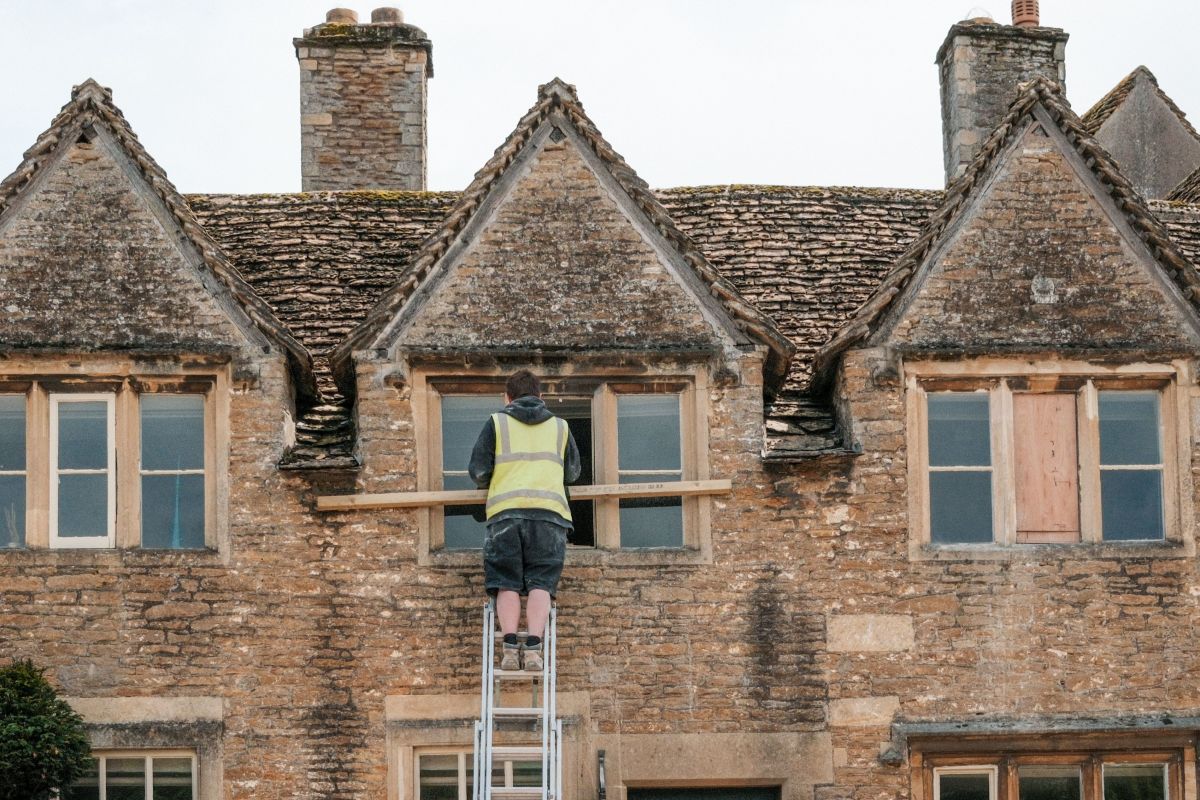
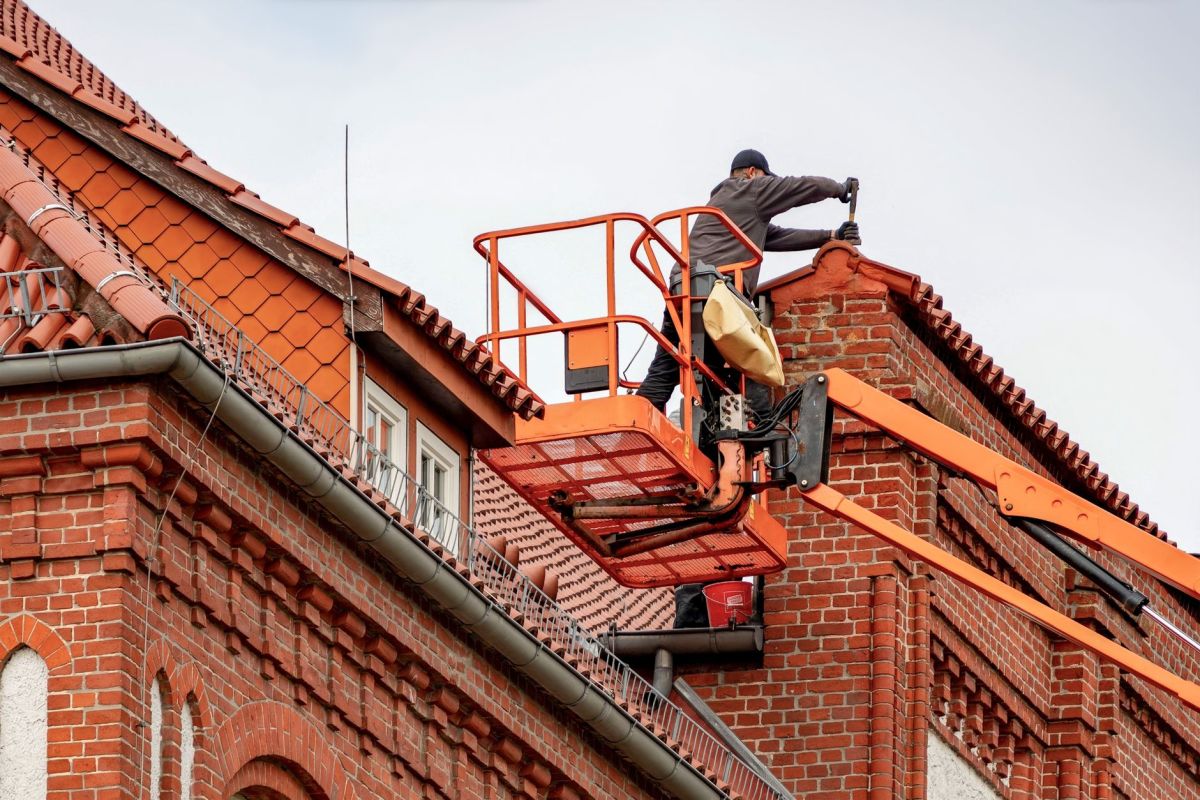
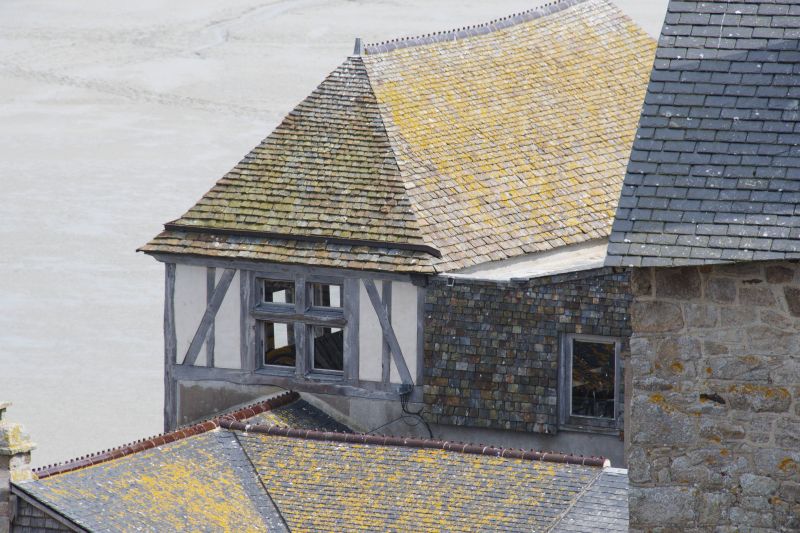
Harrogate jobs price toward the upper end for two local reasons. The Victorian and Edwardian stock is tall and steep - 40 - 50 degree pitches starting 6 - 7 metres up mean towers or scaffold rather than a ladder - and much of the town centre falls within conservation areas, where cleaning needs to preserve original slate and clay rather than treating the roof as a pressure-washing target. Cheap quotes usually mean one of those two realities is being ignored.
When removal isn't the answer
If more than a handful of tiles are already cracked or delaminating, cleaning is money down the drain - you'll pay £400+ to smarten up a roof that needs £250 - £400 of tile repairs first, or a bigger conversation entirely. A roof at the end of its life should get that bigger conversation, not a wash.
Removal Methods Compared - and the One to Refuse
Manual scraping - the right default
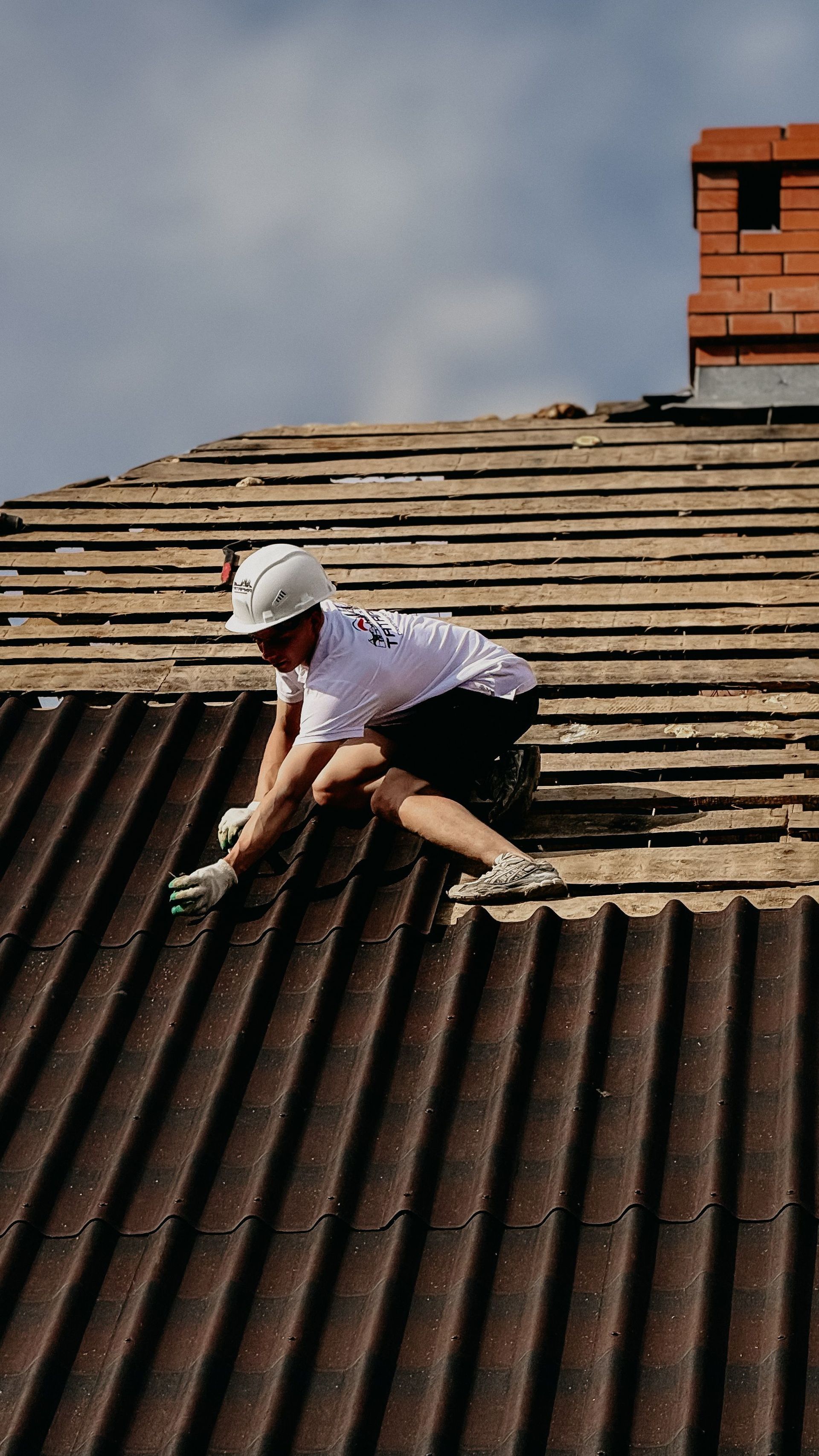
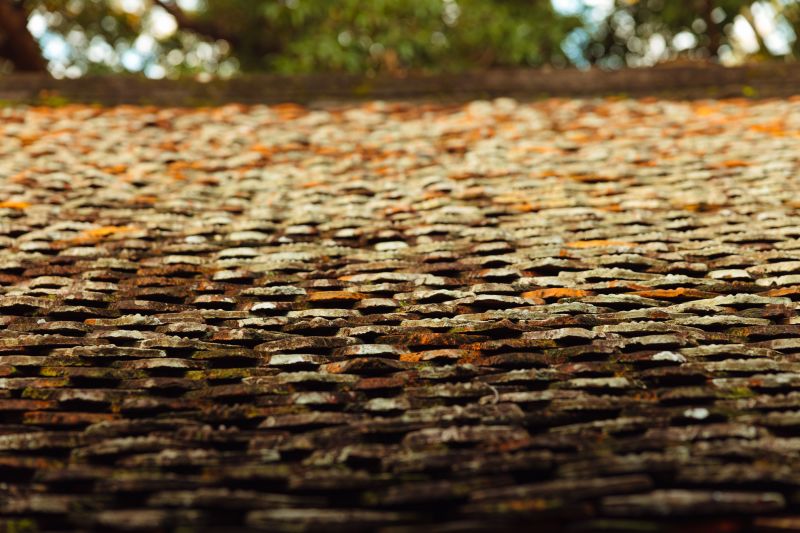
Hand scraping with plastic tools, working from a tower or roof ladder, removes the bulk of moss without stressing the tiles. It's slower - a full semi takes a day rather than a couple of hours - which is why it costs more than jet washing. It's also the method the National Federation of Roofing Contractors member firms will generally recommend for older roofs, because it's the one that doesn't create new problems.
Soft washing and biocide - the finishing step
After scraping, a low-pressure biocide application kills the remaining spores and root systems. Expect it to keep working for 2 - 4 years, gradually killing regrowth. On its own (without scraping first) it kills the moss but leaves dead material on the roof for the wind and rain to redistribute into your gutters over the following year.
Pressure washing - refuse it
A domestic pressure washer runs at 100 - 150 bar; roof tiles were never designed for it. Jet washing strips the protective granular surface off concrete tiles, drives water under the tile line and into the loft, and can shift or crack tiles outright - and on Harrogate's older slate, it's simply vandalism. Several tile manufacturers void their weathering warranties if the roof has been pressure washed. Any quote built around a jet wash is a quote to shorten your roof's life; the low price isn't a bargain, it's the tell.
Timing: When to Clean a Roof in Harrogate
Late spring to early autumn is the working window. Moss is biologically most active in cool damp conditions - which in Harrogate means it's growing enthusiastically from October to April, exactly when you can't sensibly work on a roof. Cleaning in May - September means the biocide goes on dry tiles, cures properly, and greets the autumn growth season already in place.
There's a trades-availability angle too. Yorkshire has a solid supply of roofing firms, but their winter diaries fill with storm repairs and leak callouts; moss removal is the job that gets you a prompt slot and a keener price in summer, and a six-week wait in November. Booking the clean for June rather than "when it looks really bad in January" is better for the roof and the invoice.
You can sanity-check the local pattern yourself - the Met Office climate averages for North Yorkshire show the region's rainfall and temperature profile that makes this a two-season decision rather than a year-round one.
Prevention: Keeping the Moss Off
Removal without prevention buys you 2 - 3 years before the green comes back. Three things stretch that considerably.
Copper - the old trick that works
Copper is toxic to moss. A copper ridge wire or strip near the top of each slope releases trace copper ions every time it rains, washing down the slope and suppressing regrowth for 10+ years. Installed during a clean it adds £150 - £300 and is the best value item on the whole job sheet. You can see the principle on any roof below a copper-flashed chimney - the clean streak running down from the flashing.
Cut the shade and shelter
Moss needs shade and moisture. Overhanging branches from Harrogate's generously treed streets and gardens keep slopes damp and drop organic debris that moss feeds on. Crown-lifting or trimming trees near the roofline can halve regrowth on the affected slope. North-facing slopes will always moss faster - that's geometry, not a fault - but shade you can remove is worth removing.
Keep the gutters moving
Overflowing gutters splash water back onto the lower courses and keep them permanently damp. Twice-yearly gutter clearing (£80 - £150 a visit, or part of a maintenance plan) protects the clean you just paid for. We've written before about the local growth conditions in our post on why moss grows faster on Harrogate roofs- the short version is that in this climate, prevention is a maintenance habit, not a one-off purchase.
Choosing a Moss Removal Firm
Moss removal attracts more chancers than almost any other roof job, because it looks unskilled - a man, a van, a pressure washer. The vetting is the same as for any roofing work: public liability insurance of at least £2 million, a traceable local address, and ideally a listing on the TrustMark register of government-endorsed tradespeople. Ask specifically what method they'll use and what happens to broken tiles they find - a proper firm replaces the odd cracked tile as they go and tells you about it; a chancer stands on them.
Get the biocide named in the quote, get the gutter clearance included in writing, and be suspicious of anyone quoting a full roof clean at £200. On Harrogate's roof heights, that price doesn't even cover safe access.
FAQ
Q: How much does roof moss removal cost in Harrogate?
A: £400 - £800 for a typical semi-detached, £600 - £1,200 for a detached, with biocide treatment adding £100 - £300. Tall Victorian properties needing scaffold run higher, £1,000 - £2,000+. Be wary of quotes around £200 for a full roof - at Harrogate roof heights that usually means unsafe access, pressure washing, or both.
Q: Is it safe to pressure wash a moss-covered roof?
A: No. Pressure washing strips the protective surface off concrete tiles, forces water under the tile line, and can crack or dislodge tiles - some manufacturers void weathering warranties after it. Manual scraping followed by a low-pressure biocide treatment removes the moss without shortening the roof's life.
Q: How long does moss removal last before it grows back?
A: Scraping alone buys 2 - 3 years in Harrogate's damp climate. Adding a biocide treatment extends that to roughly 2 - 4 years of active suppression, and fitting copper ridge strips during the clean suppresses regrowth for 10+ years on the treated slopes.
Q: Does moss actually damage a roof, or is it just cosmetic?
A: It damages roofs, especially here. Moss holds 5 - 10kg of water per square metre against the tiles, and Harrogate's 50+ annual freeze-thaw cycles turn that trapped moisture into repeated expansion stress that cracks and spalls tiles. It also lifts tiles at the overlaps and sheds debris into gutters, which sit behind most damp problems in UK homes.
Q: When is the best time of year to have a Harrogate roof cleaned?
A: May to September. Biocide treatments cure properly on dry tiles, roofers have more availability and keener prices outside the winter storm-repair season, and the treatment is in place before the October - April period when moss grows fastest.
Ready to work with Harrogate Roofers & Contractors?
Let's connect! We’re here to help.
Send us a message and we’ll be in touch.
Or give us a call today at 01423 423497
Agency Contact Form
More Marketing Tips, Tricks & Tools
Harrogate Roofers & Contractors