Slipped Tiles and Loose Slates in Harrogate: What Causes It and What It Costs to Fix
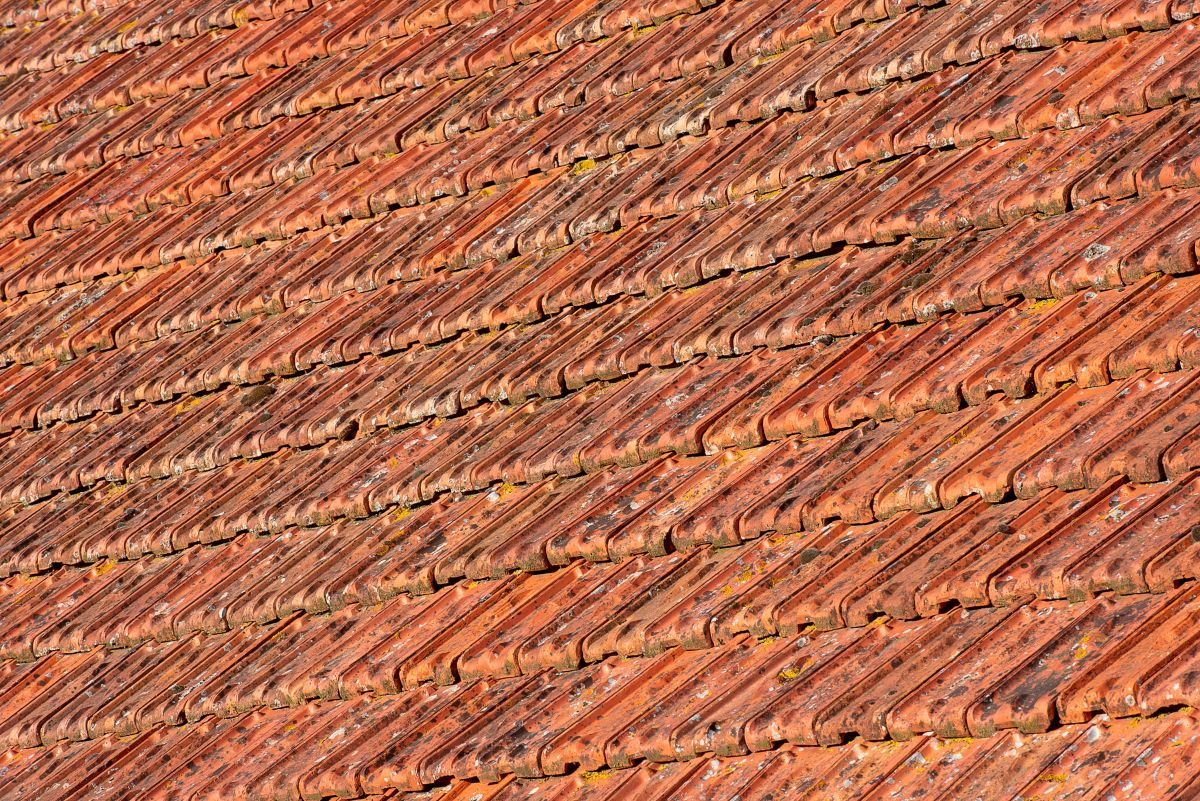
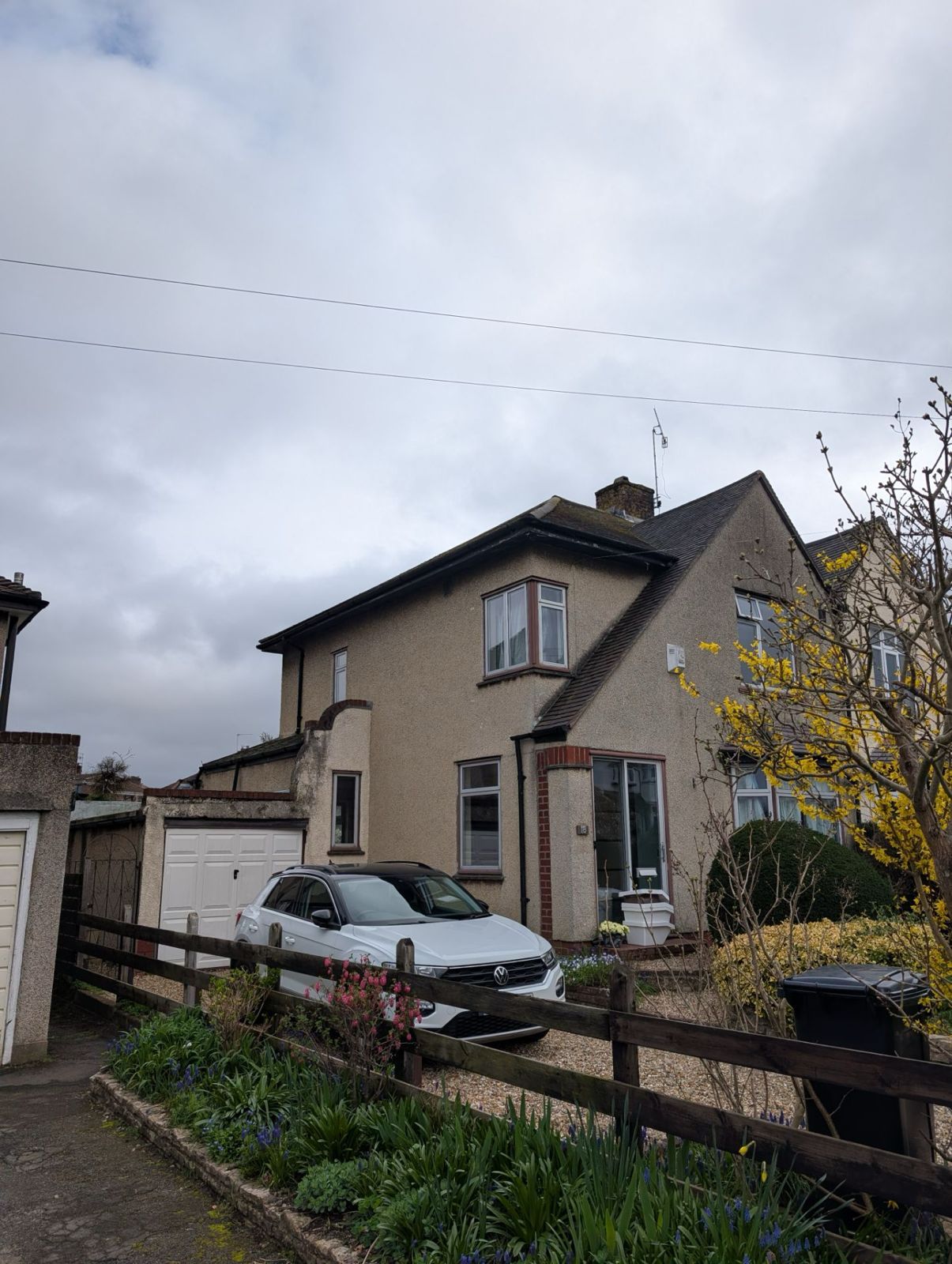
Slipped tiles and loose slates account for a significant proportion of the roof repair calls that come in from Harrogate homeowners, particularly after the autumn and winter months when the North Yorkshire climate delivers sustained wet and cold conditions. The town's housing stock - dominated by Victorian and Edwardian terraces in areas like Starbeck and New Park, and substantial Edwardian and interwar semis across Pannal and Bilton - was largely roofed with natural slate or clay tile materials that have now reached or exceeded their designed service life. According to the National Federation of Roofing Contractors, the majority of slipped tile and slate problems in UK period properties are caused by nail and fixing failure rather than damage to the tile or slate itself - meaning the surface material may be perfectly sound, but the mechanism holding it in place has given out.
Why Tiles and Slates Slip on Harrogate Roofs
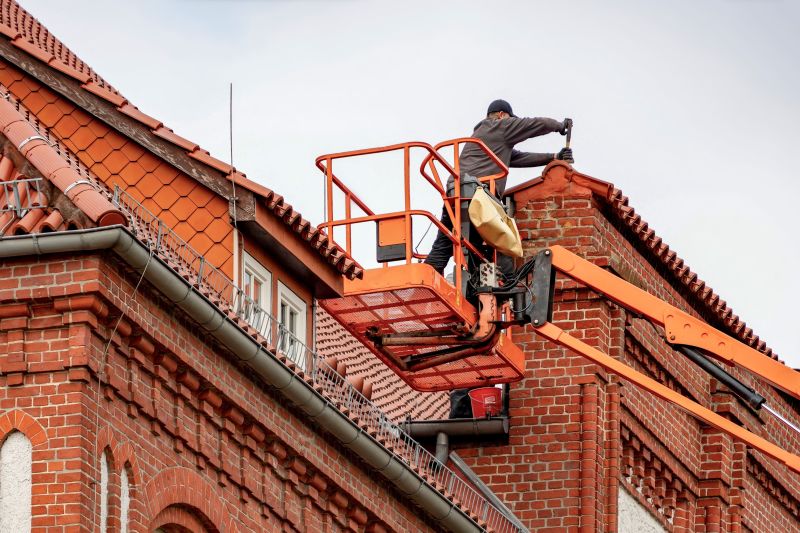
The root cause of most tile and slate displacement in Harrogate is the failure of the original fixings. Roofing nails corrode over time, particularly in conditions of repeated wetting and drying, and Harrogate's climate - around 700mm of rainfall per year with cold wet winters - accelerates this process.
In natural slate, this is sometimes called 'nail sickness'. The original iron nails used in Victorian and Edwardian roofing corrode and lose their grip on the sarking board beneath. When the nail fails, the slate's own weight causes it to slide down the roof until it's resting on the course below - or, if dislodged by wind, falls off altogether. Single slipped slates are the visible symptom, but nail sickness is usually widespread across the roof by the time it becomes obvious.
Clay and concrete tiles fail differently. Traditional clay plain tiles are held in place by a fired nib that hooks over the roofing batten. When the batten rots - common in Harrogate's older housing stock where original timber has been exposed to moisture - the tile's nib has nothing to hold against. Concrete tiles, which became common from the 1950s, are often nailed directly and suffer the same nail corrosion issue as slates.
Ridge and hip tile failure is distinct from field tiles slipping. Ridge tiles sit on the apex and are bedded in mortar. When that mortar cracks and falls out, the ridge tiles become unstable and can shift or blow off in high winds. Harrogate's position on the edge of the North Yorkshire Moors makes it more exposed to gusting than the national average might suggest.
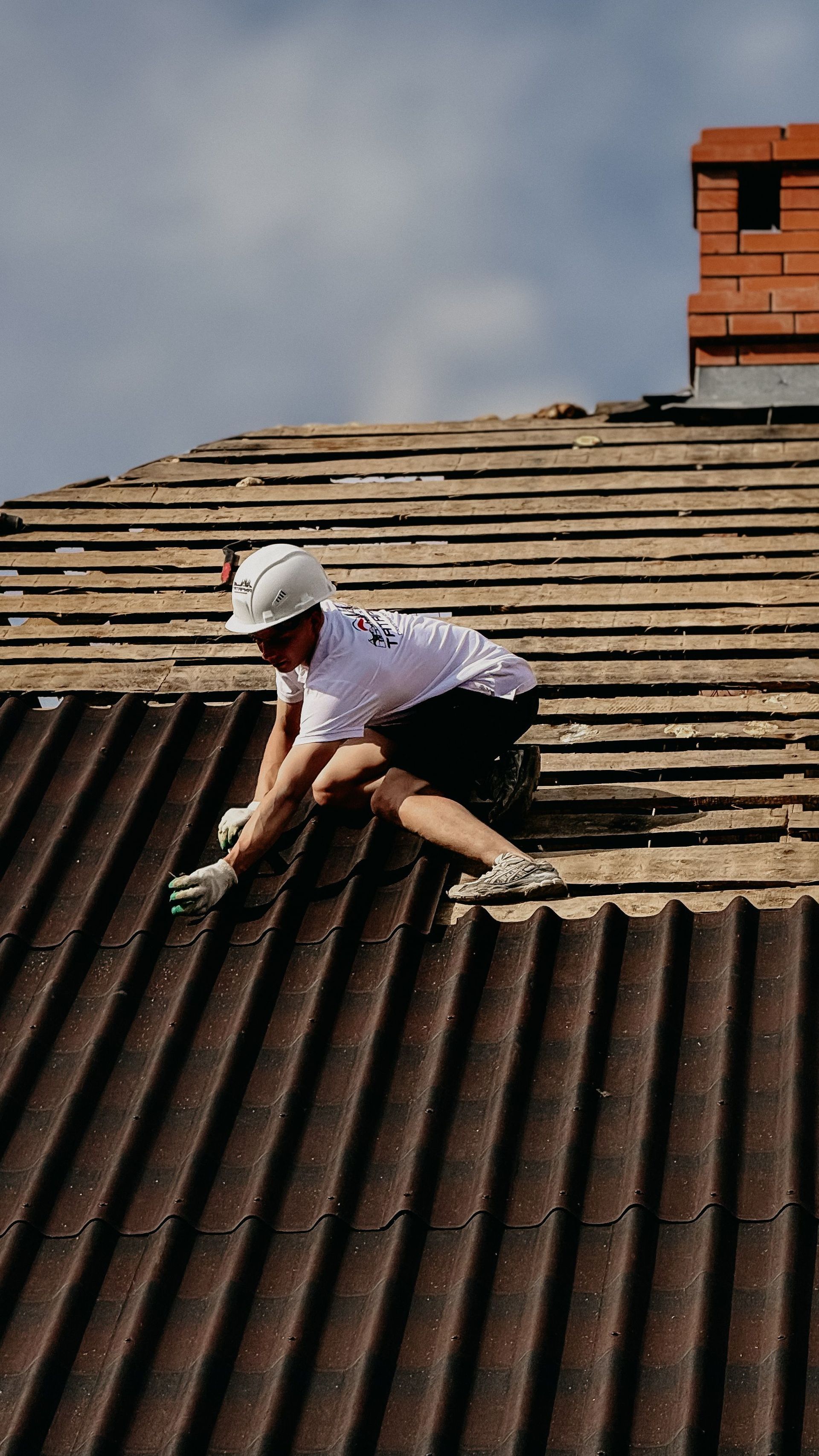
Harrogate Roofers & Contractors repairs slipped tiles and loose slates throughout Harrogate and the surrounding North Yorkshire area.
The Risk of Leaving Slipped Tiles Unattended in Harrogate
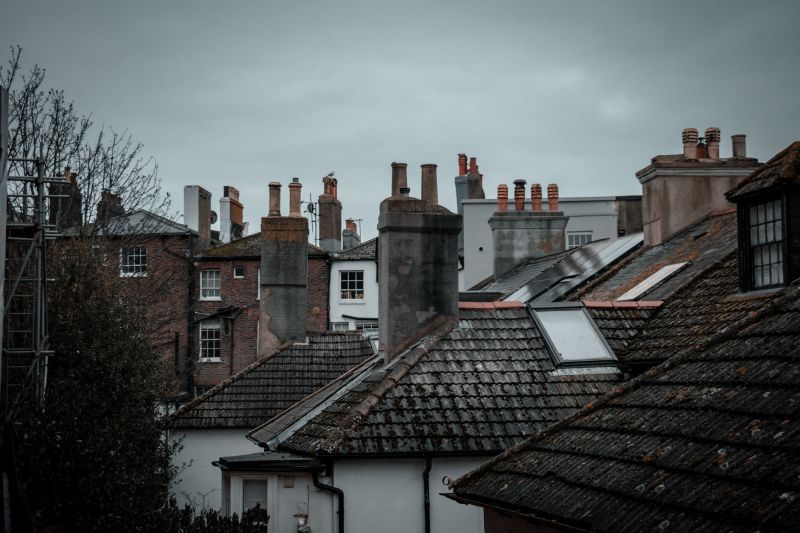
A single slipped tile or slate seems minor. The problem is what happens in Harrogate's typical autumn and winter: rain drives into the gap left by the displaced tile, the roofing felt beneath gets wet repeatedly, and the battens and rafters behind it start to absorb moisture. Timber that's regularly wet doesn't dry out fully during Harrogate's cooler, cloudier periods. Within a few seasons, what was a straightforward £100-£200 tile slip repair can become a rafter replacement job at several times the cost.
The other risk is falling material. A slate that has slipped and is resting against the course below is held by gravity alone. A gust of wind or a frost-thaw cycle that moves the tile slightly can send it off the roof. On many Harrogate terraced properties, the pavement or access pathway runs directly below the roofline.
When Individual Repairs Don't Make Sense
Individual tile or slate replacement is the right approach when the roof is otherwise in reasonable condition and there are isolated failures. It stops being the right approach when the underlying cause - nail sickness, batten rot - is widespread. Replacing individual slates on a roof with endemic nail failure is like replacing individual panes in a window frame that's rotting: you're addressing the symptom, not the cause.
A good Harrogate roofer will tell you honestly when spot repairs have reached their limit. Some roofs benefit from a full re-roofing, others can have a targeted strip and re-batten on the worst sections. We've covered this decision in more detail in our ridge tile repairs guide for Harrogate, which discusses the same nail failure mechanisms affecting ridge work.
Spotting Slipped Tiles and Slates from the Ground
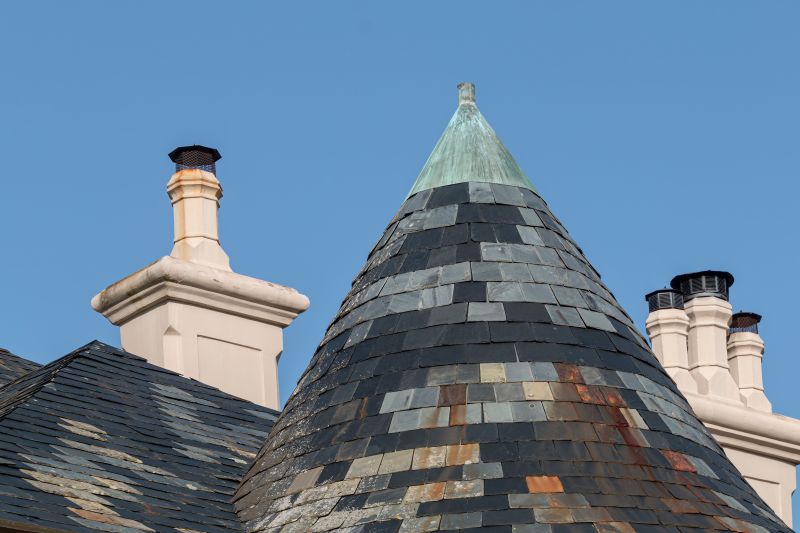
You can do a useful ground-level check on a Harrogate roof without any specialist equipment. Things to look for include:
- Uneven lines in the tile courses - tiles and slates should run in straight parallel lines across the roof. Bumps or dips in the surface indicate tiles out of position.
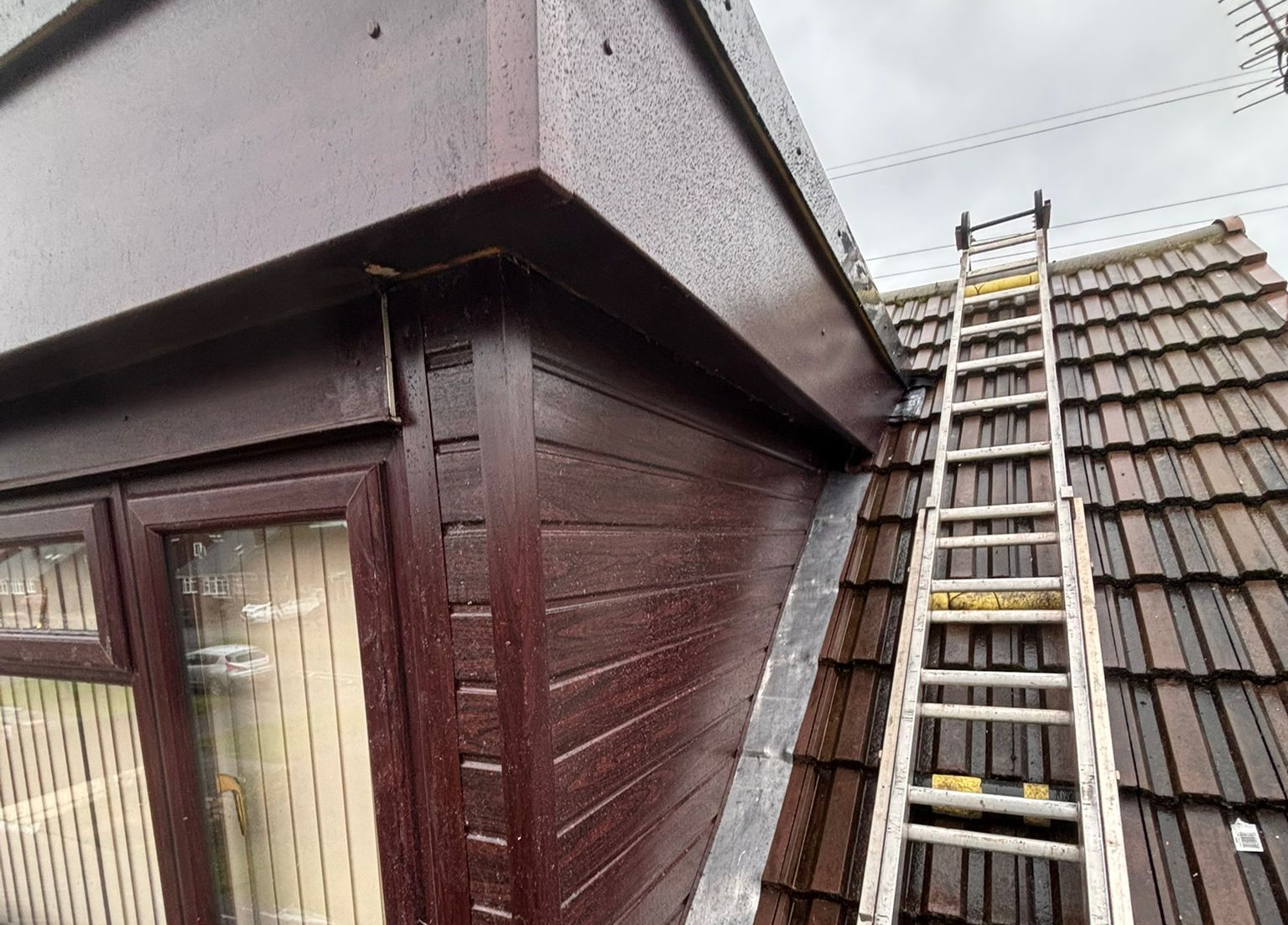
- Gaps in the roof surface - a visible dark gap where a tile should be is obvious from the street on most single-storey and dormer windows.
- Tiles resting at an angle - a tile that's slipped but still caught on the course below often sits at an angle to its neighbours.
- Ridge tiles that look uneven or have gaps between them - mortar failure at the ridge is often visible from street level.
- Missing mortar or dark gaps at verge edges - the tile course at the gable end of a Harrogate property is often the first place mortar fails.
What Slipped Tile and Slate Repairs Cost in Harrogate
Single tile slip repair (1-3 tiles), ladder access: £100 - £250.
Multiple tile slips (4-10 tiles), scaffold or ladder: £200 - £600.
Reclaimed Welsh slate, single course re-lay (per metre): £150 - £350 depending on access.
Ridge tile repointing or re-bedding (per metre): £50 - £120 per metre, scaffold additional.
Scaffold for Harrogate roof access, typical semi-detached: £500 - £900.
Sarking felt replacement (where exposed by slip damage): £80 - £200 per affected area.
When scaffold is already up for other work, it's worth having the roofer check the whole roof surface for any other slipped or loose tiles that can be addressed in the same visit.
FAQ
Q: Can I push a slipped tile back into position myself on my Harrogate roof?
It's possible to re-position a tile by hand if you can access it safely, but working at height without proper equipment or training is genuinely dangerous. More importantly, pushing a tile back without addressing the failed fixing means it will slip again quickly. A roofer will properly re-fix the tile so it stays in place.
Q: How many slipped tiles is too many for individual repair on a Harrogate property?
There's no fixed number, but if you're seeing more than 5-10 displaced tiles across the roof, it's worth having a contractor assess whether the problem is isolated failures or a more widespread issue with the fixings or battens. Widespread nail sickness or batten failure means individual repairs won't solve the underlying problem.
Q: Are slipped tiles covered by home insurance in Harrogate?
Usually not. Tile slippage due to age or wear is considered maintenance rather than sudden damage, and most home insurance policies specifically exclude wear and tear. Sudden storm damage that displaces tiles may be covered - check your specific policy.
Q: What's the difference between a slipped tile and a broken tile on a Harrogate roof?
A slipped tile has moved out of position but is still intact - the fixing has failed, not the tile. A broken tile has cracked or split, often from a physical impact (a branch, a football, foot traffic). Slipped tiles may be re-fixed if in good condition; broken tiles need replacing.
Q: Do I need planning permission to replace slipped tiles on my Harrogate roof?
No. Like-for-like tile repair and replacement is permitted development and doesn't require planning permission. If your Harrogate property is in a conservation area, changing the tile type may need consent - but straightforward repair with matching tiles doesn't.
Ready to work with Harrogate Roofers & Contractors?
Let's connect! We’re here to help.
Send us a message and we’ll be in touch.
Or give us a call today at 01423 423497
Agency Contact Form
More Marketing Tips, Tricks & Tools
Harrogate Roofers & Contractors